
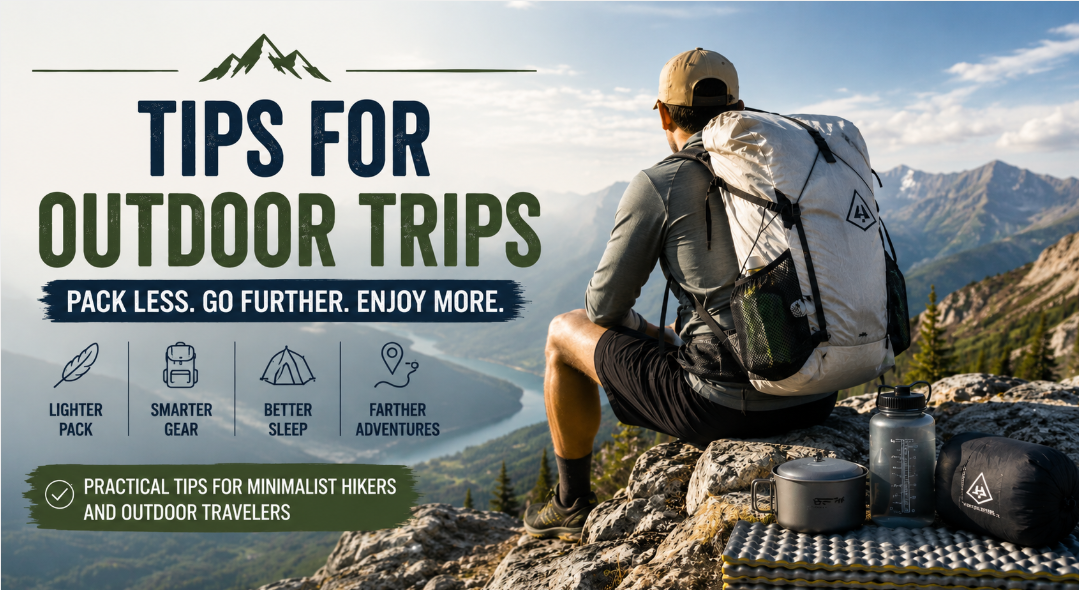
Lightweight Travel Packing Tips for Outdoor Trips
May 07, 2026
Outdoor travel gets easier, faster, and more enjoyable when every item in your pack earns its place. Whether you're planning a weekend hike or a multi-day backcountry route, lightweight travel packing is less about sacrificing comfort and more about choosing smarter systems.
For hikers and outdoor travelers interested in minimalist hiking gear, reducing pack weight can improve endurance, mobility, and overall trip efficiency.
Why Lightweight Packing Matters
Carrying less weight helps reduce fatigue and joint strain, especially on long-distance trails or high-elevation routes. A lighter pack also improves balance and allows you to move more confidently across technical terrain.
Experienced ultralight travelers often divide gear into three categories:
Essential survival items
Multi-use equipment
Luxury extras
The goal is to eliminate redundancy while maintaining safety and comfort.
Start With the “Big Three”
The biggest opportunities for weight savings come from:
Backpack
Shelter
Sleep system
Ultralight Backpack Options
Modern lightweight backpacks use durable technical fabrics while cutting unnecessary structure and pockets.
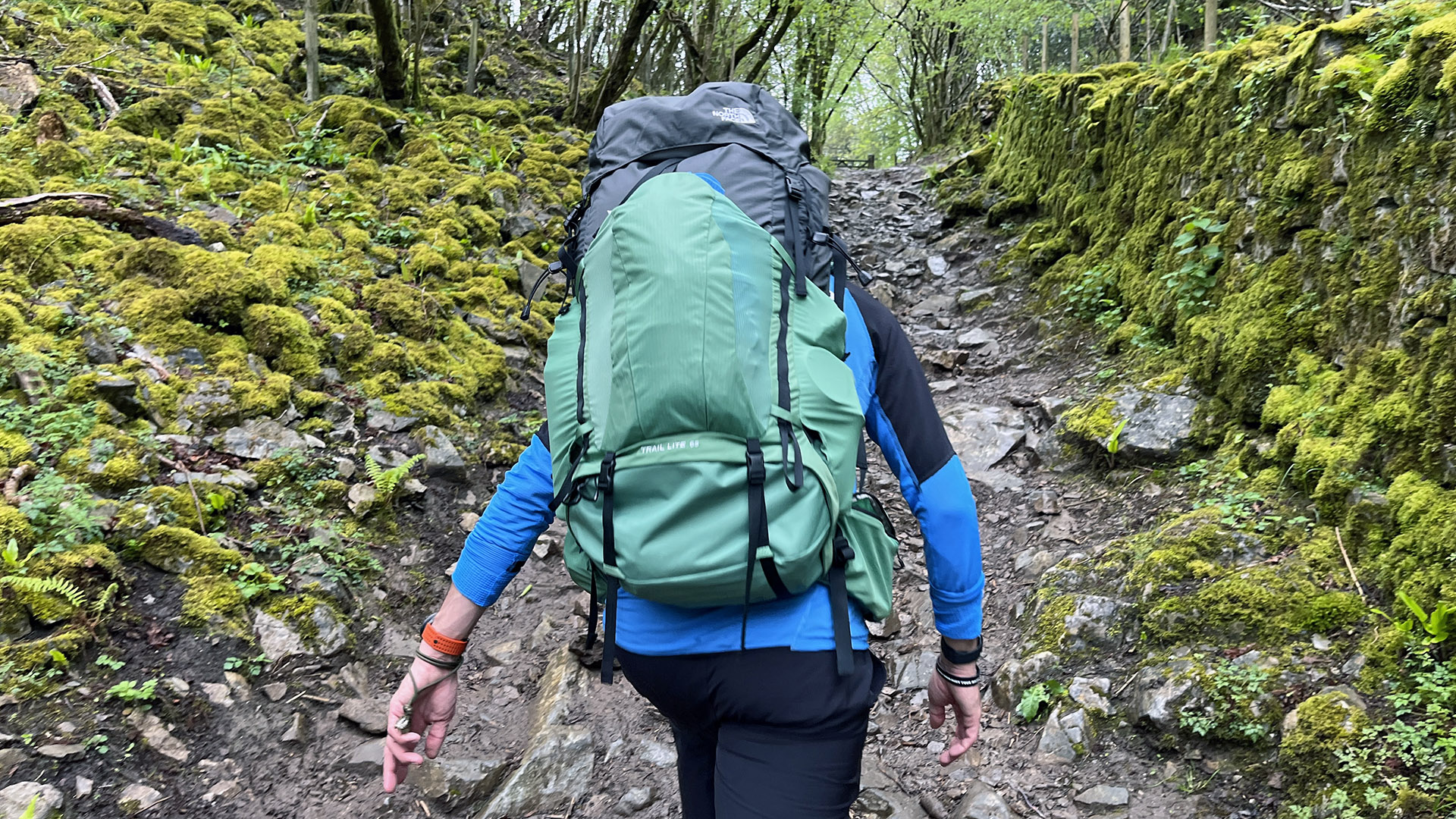
Look for:
Total pack weight under 2.5 lbs
Roll-top closure systems
Streamlined external storage
Load capacity matched to your trip length
Avoid oversized packs, which encourage overpacking.
Lightweight Shelter Systems
Single-wall tents, trekking-pole shelters, and compact tarps dramatically reduce carried weight.
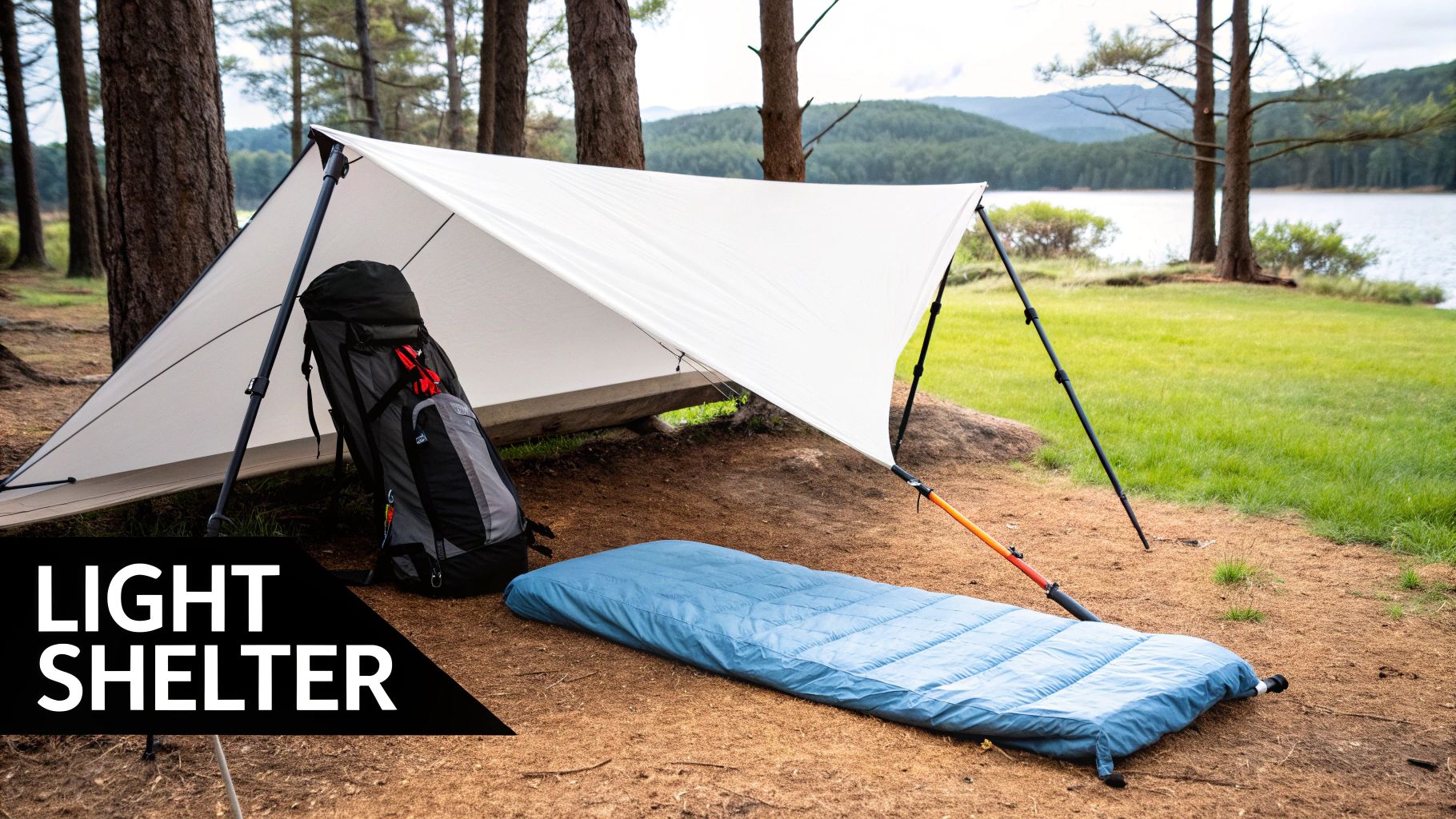
Popular minimalist shelter strategies include:
Shared shelters for group trips
Modular tarp + bivy systems
Weather-specific shelter selection
Build a Minimalist Clothing System
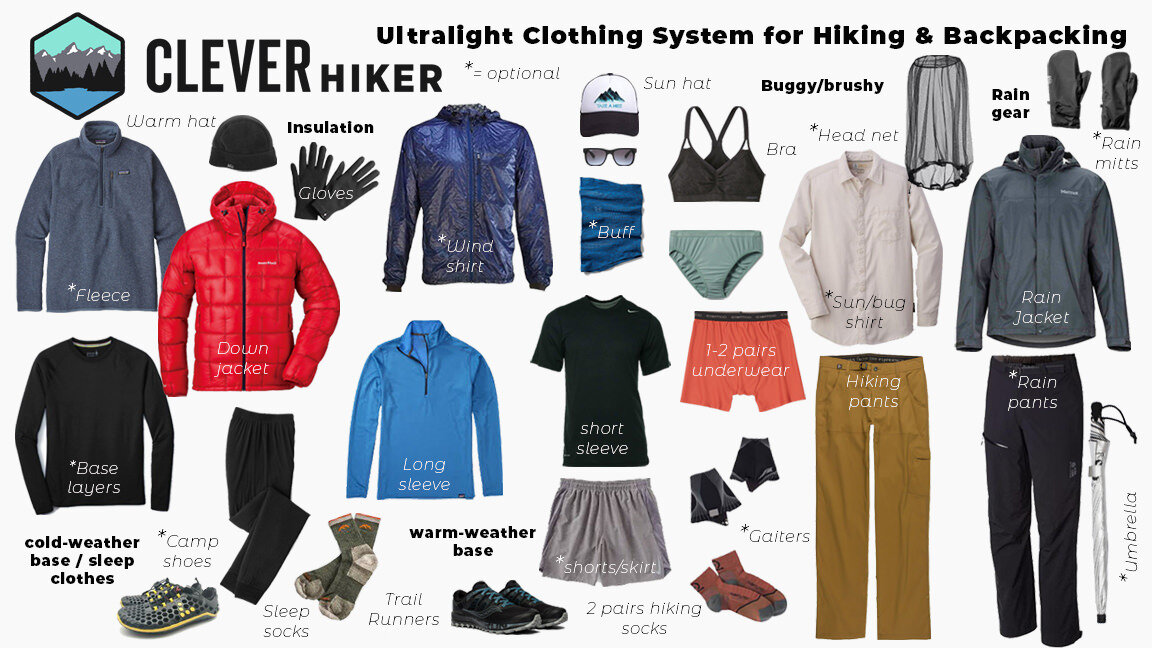
Instead of packing multiple outfits, focus on layering.
A simple system usually includes:
Moisture-wicking base layer
Lightweight insulation layer
Waterproof shell
Hiking socks rotation
One camp layer for sleep
Prioritize Fast-Drying Fabrics
Merino wool and modern synthetic blends outperform cotton in wet or cold conditions.
Avoid packing “just in case” clothing unless conditions genuinely require it.
Multi-Use Gear Reduces Weight
The best minimalist hiking gear often serves more than one purpose.
Examples:
Trekking poles supporting your shelter
Buff functioning as hat, towel, or neck gaiter
Pot doubling as bowl and mug
Phone replacing maps, camera, and notebook
Before adding an item, ask:
Can another piece of gear already do this job?
Organize Gear by Accessibility
Efficient packing matters almost as much as total weight.
Keep Frequently Used Items Accessible
Store these near the top or in external pockets:
Rain shell
Water filter
Snacks
Navigation tools
First-aid essentials
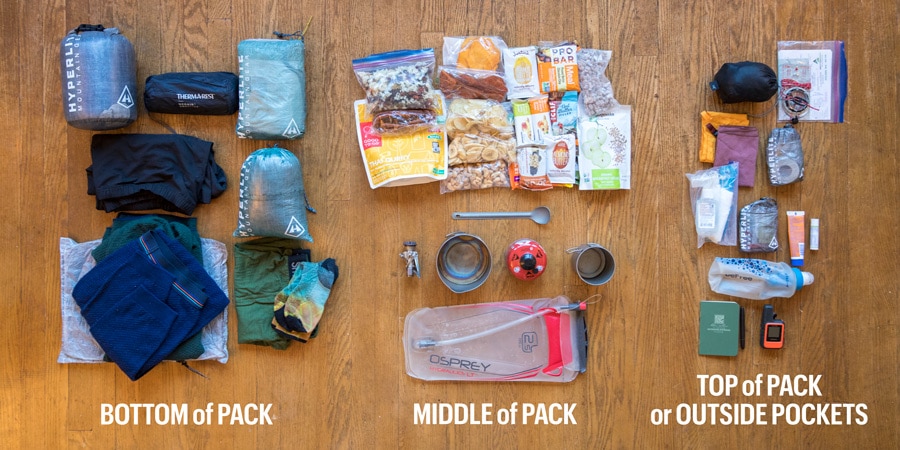

Use lightweight dry bags or packing cubes sparingly to maintain organization without adding unnecessary ounces.
Food and Water Strategies
Consumables are often the heaviest items on outdoor trips.
Consider:
Calorie-dense foods
Cold-soak meal systems
Compact cooking kits
Water refill planning instead of carrying excess liters
For many ultralight hikers, food planning becomes just as important as gear selection.
Safety Still Comes First
Minimalism should never compromise emergency preparedness.
Always carry:
Weather protection
Navigation tools
Emergency communication if remote
Adequate insulation
First-aid essentials
The ideal lightweight setup balances efficiency with realistic risk management.
Final Thoughts
Lightweight travel packing is an ongoing process of refinement. Every trip teaches which items matter and which stay unused at the bottom of the pack.
For outdoor travelers pursuing a minimalist hiking gear philosophy, the best setup is rarely the one with the most equipment — it’s the one that supports freedom of movement, comfort, and confidence in the outdoors.