
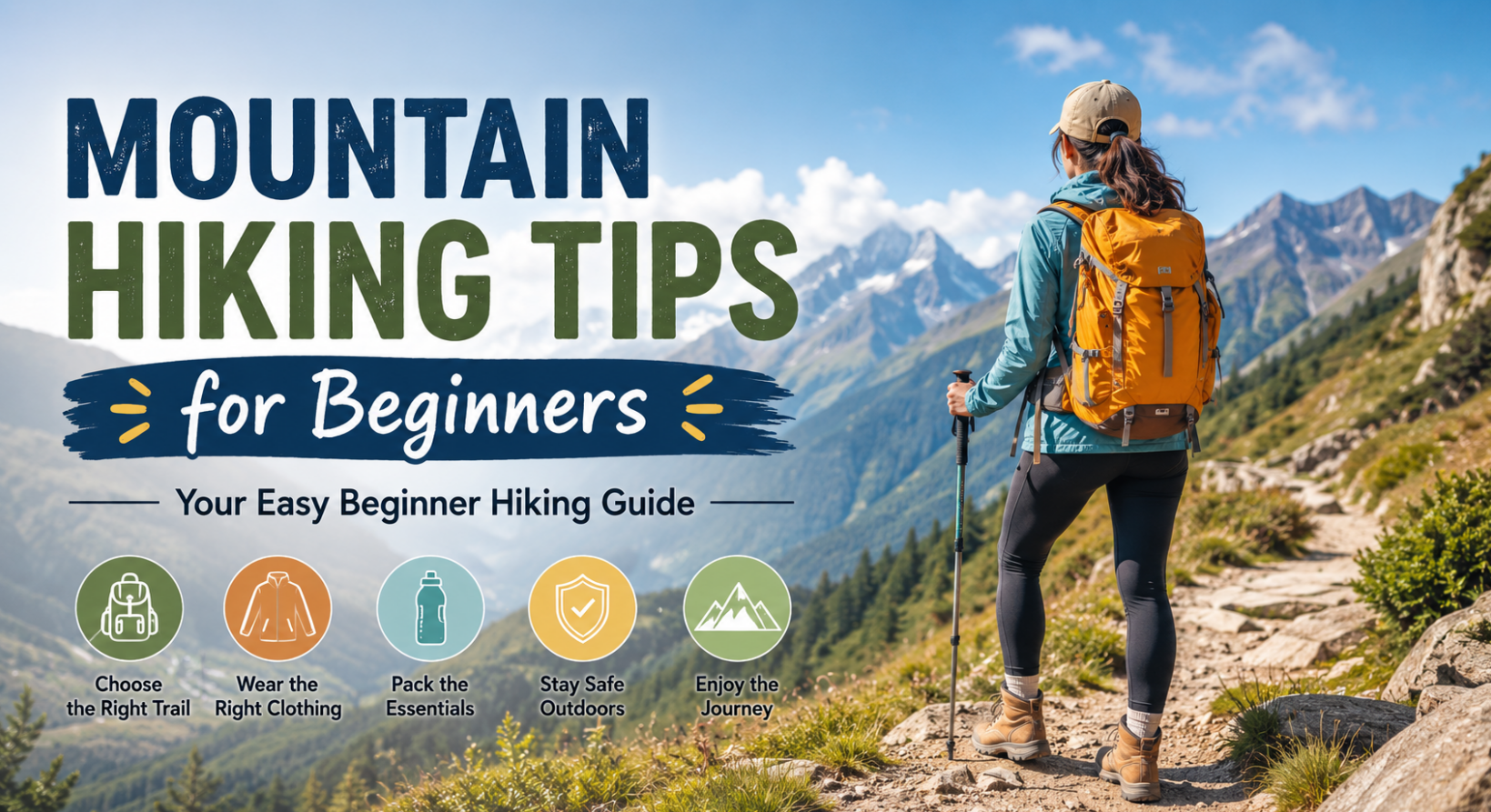
Mountain Hiking Tips for Beginners: Your Easy Beginner Hiking Guide
May 08, 2026
Mountain hiking is one of the best ways to enjoy nature, improve fitness, and escape busy daily life. If you're planning your first trail adventure, you do not need expensive gear or advanced skills to get started. With the right preparation and mindset, even beginners can enjoy a safe and memorable hiking experience.
This beginner hiking guide covers everything you need to know before hitting the trail — from choosing the right route to dressing comfortably for changing weather conditions.
Why Mountain Hiking Is Great for Beginners
Unlike extreme outdoor sports, mountain hiking can be simple and flexible. You can start with short and easy trails, build confidence gradually, and enjoy beautiful scenery along the way.
Benefits of hiking include:
- Better physical fitness
- Reduced stress and mental fatigue
- Improved endurance
- Fresh air and outdoor experience
- Quality time with friends or family
For beginners, hiking is also one of the easiest outdoor activities to start because you can adjust the difficulty level based on your comfort.
Choose the Right Trail First
One of the most important mountain hiking tips for beginners is choosing an appropriate trail.
Look for trails that are:
- Under 5 miles for your first hike
- Clearly marked
- Popular and beginner-friendly
- Moderate elevation gain
- Near parking or visitor centers
Avoid difficult mountain routes at the beginning. A shorter and enjoyable hike is much better than an exhausting experience.
Helpful Tip
Always check:
- Weather forecast
- Trail conditions
- Park rules
- Sunset time
Starting early in the morning gives you more daylight and cooler temperatures.
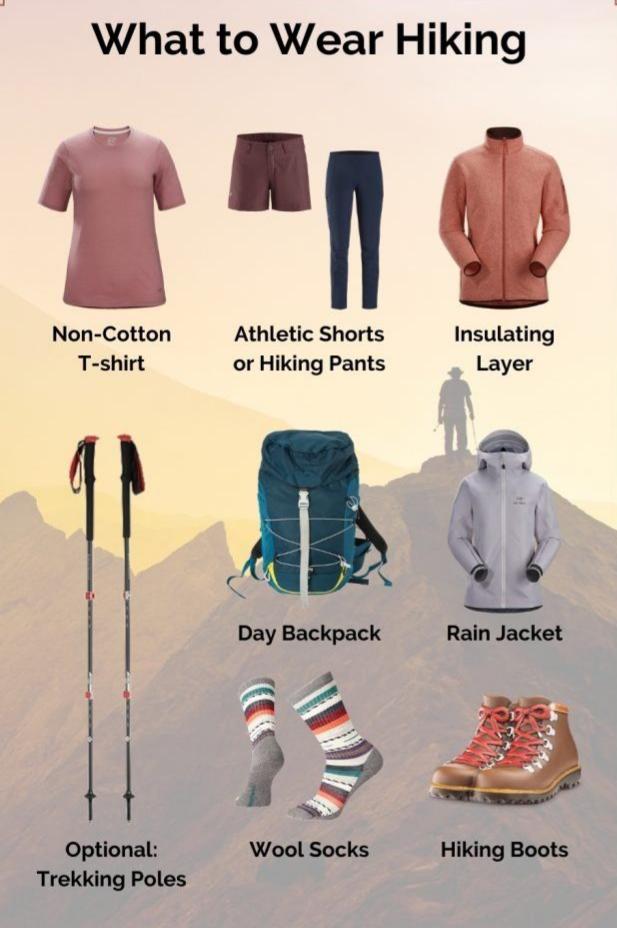
What to Wear for Mountain Hiking
Comfortable clothing makes a huge difference during hiking.
Recommended Hiking Clothing
Base Layer
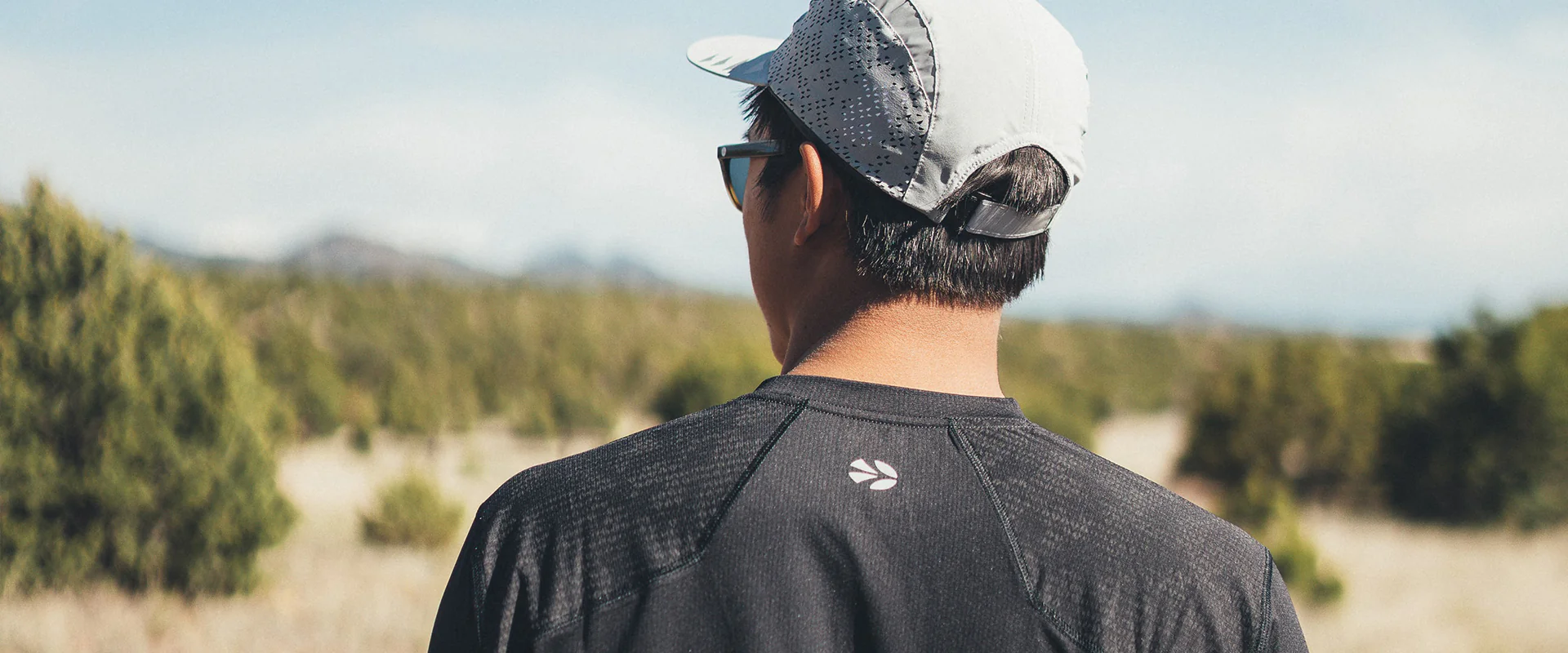
Wear breathable and moisture-wicking fabrics instead of cotton.
Good options include:
- Lightweight hiking shirts
- Quick-dry long sleeves
- UV protection tops
Hiking Jacket
Mountain weather can change quickly, especially in windy or rainy areas.
A lightweight outdoor jacket helps:
- Block wind
- Resist light rain
- Keep body temperature stable
For beginners, packable softshell or lightweight waterproof jackets are excellent choices.
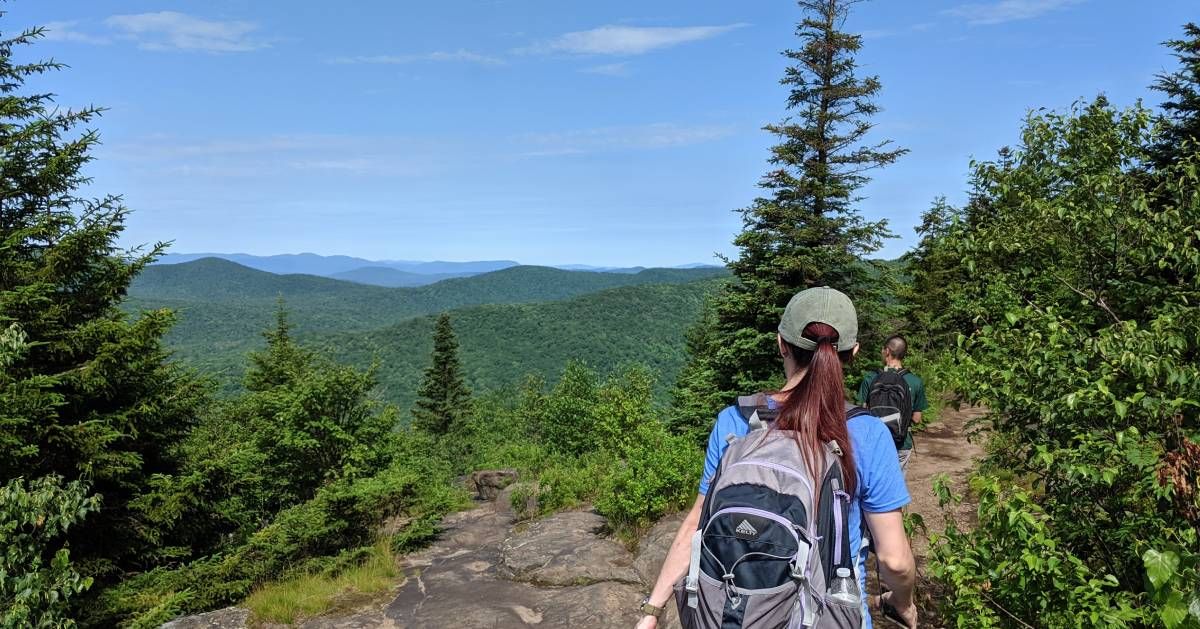
Essential Hiking Gear for Beginners
You do not need professional mountaineering equipment for beginner hikes. Keep it simple and practical.
Basic Hiking Checklist
- Comfortable hiking shoes or trail runners
- Small backpack
- Water bottle or hydration pack
- Snacks or energy bars
- Lightweight rain jacket
- Phone with offline map
- Sunscreen
- Hat or sunglasses
- Small first-aid kit
Stay Safe on the Trail
Safety should always come first during mountain hiking.
Important Beginner Hiking Safety Tips
Tell Someone Your Plan
Share your hiking route and expected return time with family or friends.
Stay on Marked Trails
Avoid shortcuts or unfamiliar paths.
Bring Enough Water
Even short hikes can become difficult if you get dehydrated.
Watch the Weather
Mountain weather changes fast. Rain, wind, or fog can reduce visibility quickly.
Know Your Limits
Take breaks when needed and avoid pushing too hard on steep climbs.
Beginner Hiking Pace: Slow Is Completely Fine
Many new hikers worry about speed. In reality, hiking is not a race.
A comfortable pace allows you to:
- Enjoy scenery
- Take photos
- Save energy
- Reduce injury risk
Experienced hikers often walk slower uphill to maintain steady breathing and endurance.
Hiking Nutrition and Hydration Tips
Bring easy-to-carry snacks that provide quick energy.
Good beginner hiking snacks:
- Nuts
- Bananas
- Protein bars
- Dried fruit
- Sandwiches
Drink water regularly, even if you do not feel thirsty.
Best Weather for Beginner Mountain Hiking
For first-time hikers, mild weather is ideal.
Best Seasons
- Spring
- Early autumn
Best Conditions
- Cool temperatures
- Clear visibility
- Dry trails
- Low wind
Avoid extreme heat or heavy rain during your first hiking trips.
Common Beginner Hiking Mistakes
Wearing New Shoes
Always break in hiking shoes before long walks.
Packing Too Much
Heavy backpacks make hiking uncomfortable.
Ignoring Weather Changes
Bring an extra layer even on sunny days.
Starting with Difficult Trails
Build experience gradually instead of attempting challenging mountains immediately.
How to Make Hiking More Enjoyable
Hiking becomes much more fun when you stay comfortable.
Here are simple ways to improve your experience:
- Wear breathable outdoor clothing
- Keep your backpack light
- Choose scenic beginner trails
- Take regular breaks
- Hike with friends
Comfortable gear helps you focus on enjoying nature instead of dealing with discomfort.
Final Thoughts
Starting your hiking journey does not need to be complicated. The best mountain hiking tips for beginners are actually very simple: choose an easy trail, wear comfortable clothing, stay hydrated, and enjoy the experience at your own pace.
With proper preparation and the right beginner hiking guide, your first mountain adventure can become the start of a lifelong outdoor hobby.
Whether you are hiking for fitness, travel, or relaxation, the mountains are always worth exploring.
FAQ
What is the best beginner mountain hike distance?
For beginners, 2–5 miles is usually comfortable and manageable.
Do beginners need hiking boots?
Not always. Comfortable trail running shoes work well for easy hikes.
What should beginners avoid during hiking?
Avoid difficult trails, poor weather conditions, and overpacking.
Is hiking good for beginners with low fitness?
Yes. Start with short and easy trails, then increase difficulty gradually.