
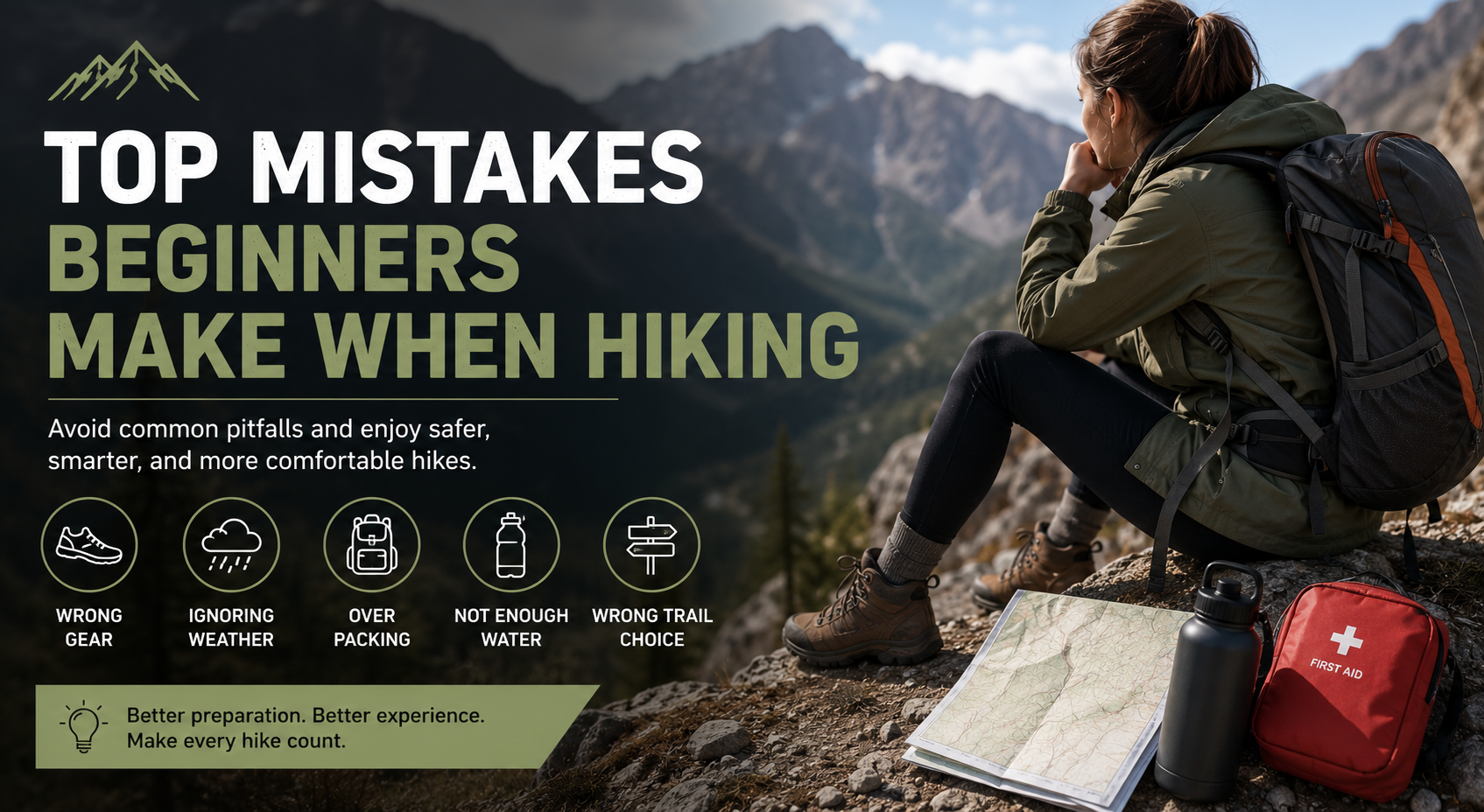
Top Mistakes Beginners Make When Hiking
May 18, 2026
Hiking is one of the easiest ways to enjoy nature, stay active, and escape busy daily life.
But for beginners, even a short hiking trip can become uncomfortable if you are not properly prepared.
The good news?
Most beginner hiking mistakes are easy to avoid.
In this guide, we’ll cover the most common hiking mistakes beginners make and how the right preparation and outdoor gear can help you enjoy the trail safely and comfortably.
1. Wearing the Wrong Clothing
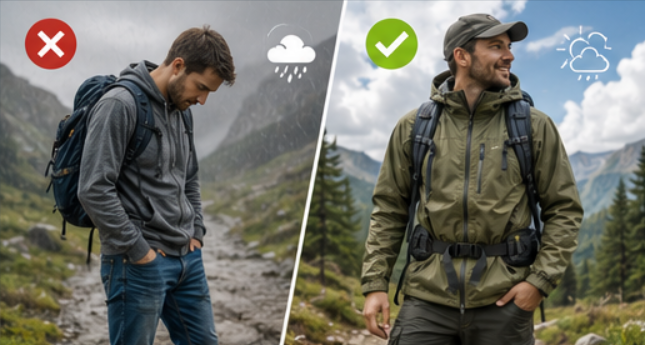
One of the biggest mistakes beginners make is dressing incorrectly for hiking conditions.
Many people wear:
- Heavy cotton clothing
- Fashion jackets
- Jeans
- Non-breathable layers
These materials can trap sweat, become uncomfortable, and dry very slowly.
Better Choice:
Choose lightweight outdoor clothing designed for movement and changing weather.
Good hiking jackets should offer:
- Breathability
- Wind resistance
- Lightweight comfort
- Water resistance
- Easy layering
Proper outdoor apparel helps regulate body temperature and keeps you comfortable throughout the hike.
2. Ignoring Weather Conditions
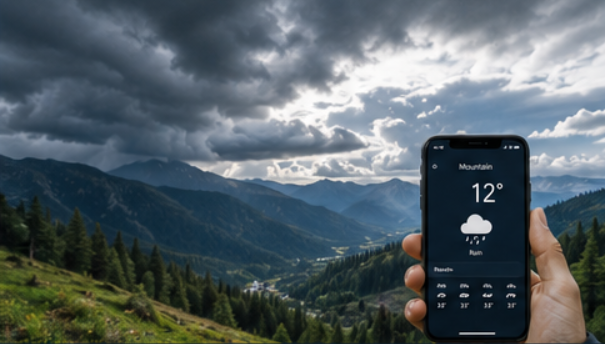
Weather in outdoor areas can change very quickly.
Beginners often assume:
“It looks sunny now, so I’ll be fine.”
But unexpected wind, rain, or temperature drops can quickly make hiking uncomfortable.
What You Should Do:
Always check:
- Weather forecasts
- Trail conditions
- Temperature changes
- Rain possibilities
Bringing a lightweight waterproof jacket is one of the easiest ways to stay prepared without adding too much weight.
3. Wearing the Wrong Shoes
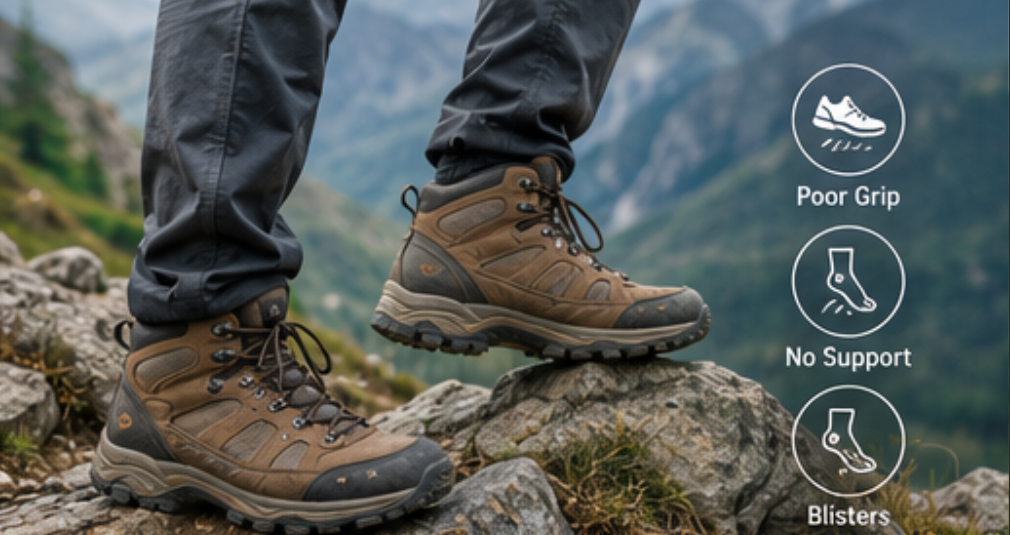
Your hiking experience depends heavily on your footwear.
Common beginner mistakes include:
- Running shoes with poor grip
- Flat casual sneakers
- Shoes without ankle support
Poor footwear can lead to:
- Slipping
- Foot fatigue
- Blisters
- Reduced stability
Better Choice:
Wear hiking shoes or trail shoes with:
- Good traction
- Comfortable cushioning
- Breathable materials
- Proper fit
Comfortable movement is essential on uneven trails.
4. Packing Too Much
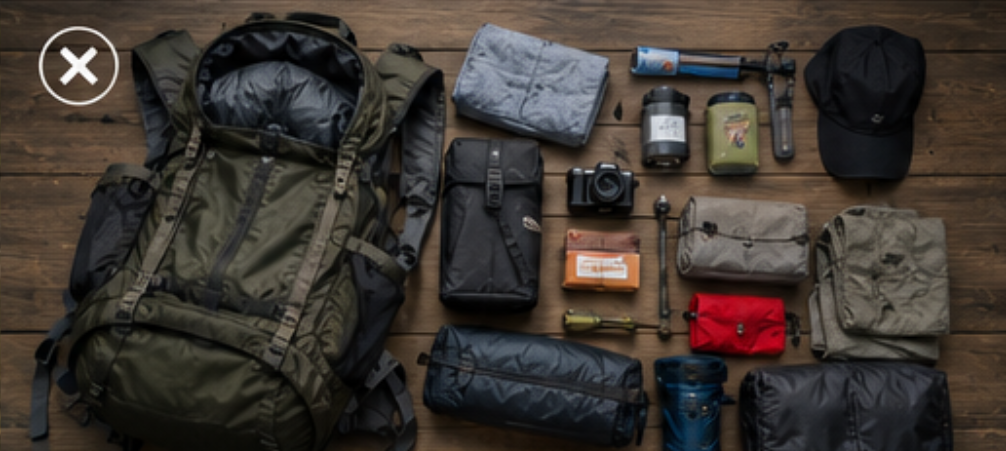
Many beginners think:
“More gear means better preparation.”
In reality, carrying unnecessary weight makes hiking more tiring.
Overpacked bags often include:
- Too many clothes
- Heavy equipment
- Unnecessary accessories
What You Actually Need:
Focus on essentials:
- Water
- Snacks
- Lightweight jacket
- Basic first aid
- Power bank
- Sun protection
Choosing lightweight outdoor gear makes a noticeable difference during longer walks.
5. Not Bringing Enough Water

Even short hikes can lead to dehydration, especially in warm weather.
Many beginners underestimate how much water they need.
Signs of dehydration include:
- Fatigue
- Headaches
- Dizziness
- Reduced energy
Hiking Tip:
Always bring more water than you think you’ll need.
Hydration is one of the simplest ways to improve hiking performance and safety.
6. Choosing Trails That Are Too Difficult

It’s common for beginners to choose trails based on photos from social media without understanding the actual difficulty level.
A trail that looks easy online may include:
- Steep climbs
- Rocky terrain
- Long distances
- Sudden weather changes
Better Approach:
Start with:
- Shorter trails
- Well-marked routes
- Beginner-friendly parks
- Moderate elevation
Building confidence gradually makes hiking more enjoyable.
7. Forgetting Sun & Wind Protection
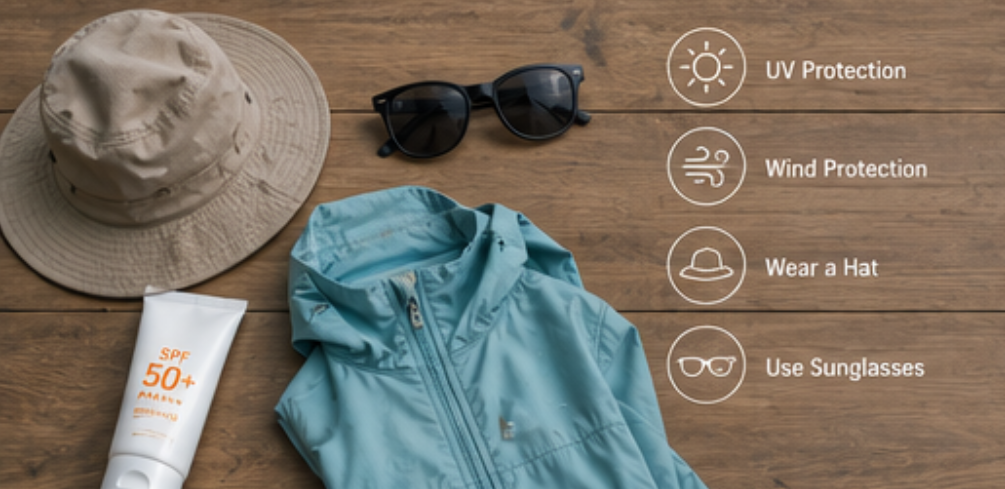
Even on cloudy days, outdoor exposure can affect your skin and comfort.
Beginners often forget:
- UV protection
- Wind protection
- Hats or sunglasses
Helpful Gear:
Lightweight outdoor jackets with UV or wind-resistant features can help improve comfort during long hikes.
Especially during spring and summer hiking trips.
8. Hiking Without a Layering System
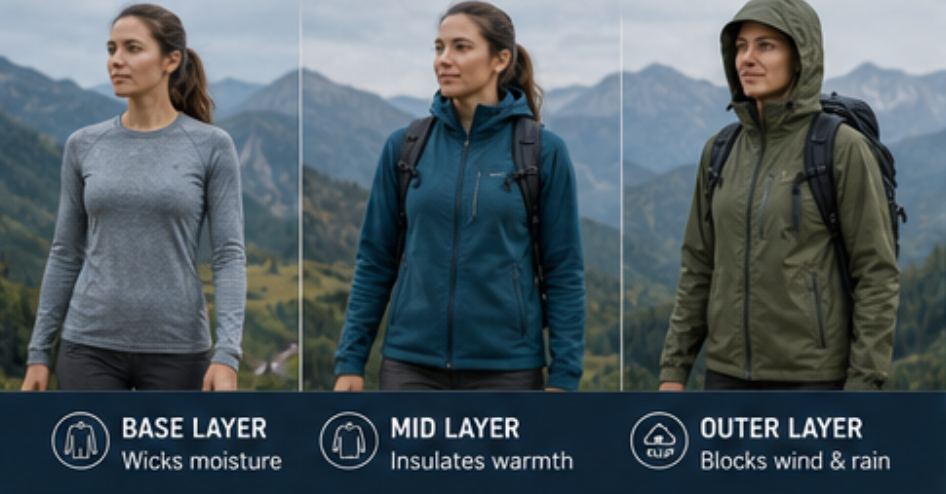
Outdoor temperatures change throughout the day.
Many beginners wear either:
-
Too many heavy clothes
or - Only one thin layer
Neither option works well.
Smart Hiking Strategy:
Use a simple layering system:
- Breathable base layer
- Lightweight insulating layer
- Windproof or waterproof outer jacket
This gives you flexibility as conditions change.
9. Underestimating the Importance of Comfort
A successful hiking trip is not about carrying the most expensive gear.
It’s about staying:
- Comfortable
- Dry
- Flexible
- Protected
The right outdoor apparel helps reduce distractions so you can enjoy the experience itself.
Comfort often determines whether beginners continue hiking regularly.
Final Thoughts
Every experienced hiker was once a beginner.
Making mistakes is part of learning, but avoiding common hiking problems can make your first outdoor experiences much more enjoyable.
The key is simple preparation:
- Wear proper outdoor clothing
- Choose lightweight gear
- Stay prepared for changing weather
- Prioritize comfort and safety
With the right mindset and reliable equipment, hiking becomes easier, safer, and far more enjoyable.
Looking for Reliable Outdoor Hiking Apparel?
We develop lightweight outdoor jackets designed for hiking, travel, and everyday outdoor activities.
Whether you need:
- Windproof jackets
- Waterproof outerwear
- Lightweight hiking layers
- OEM & ODM outdoor apparel production
Our team is ready to support your next outdoor project.
Feel free to contact us for more product information or customization options.