
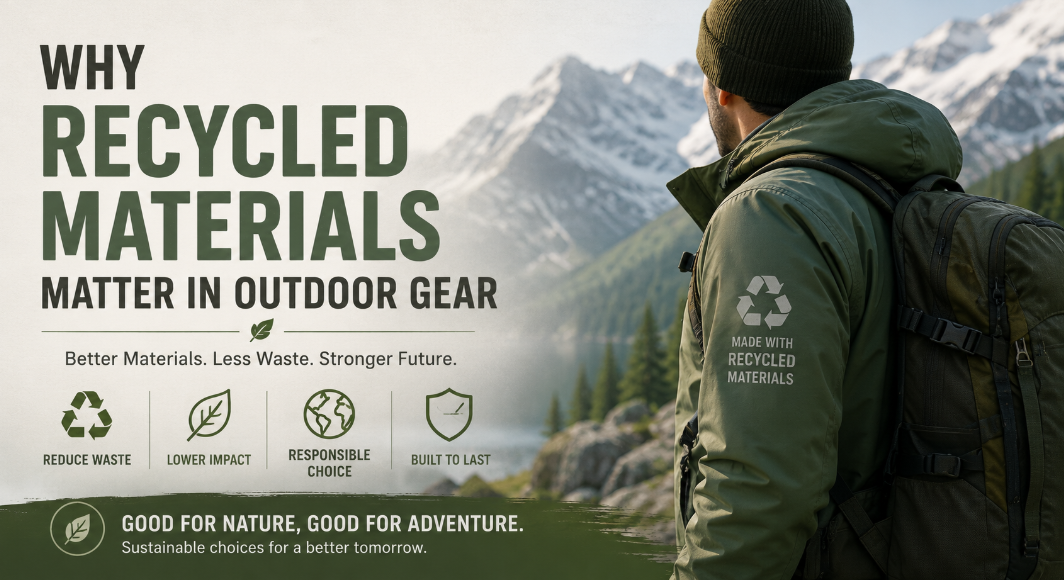
Why Recycled Materials Matter in Outdoor Gear
May 22, 2026
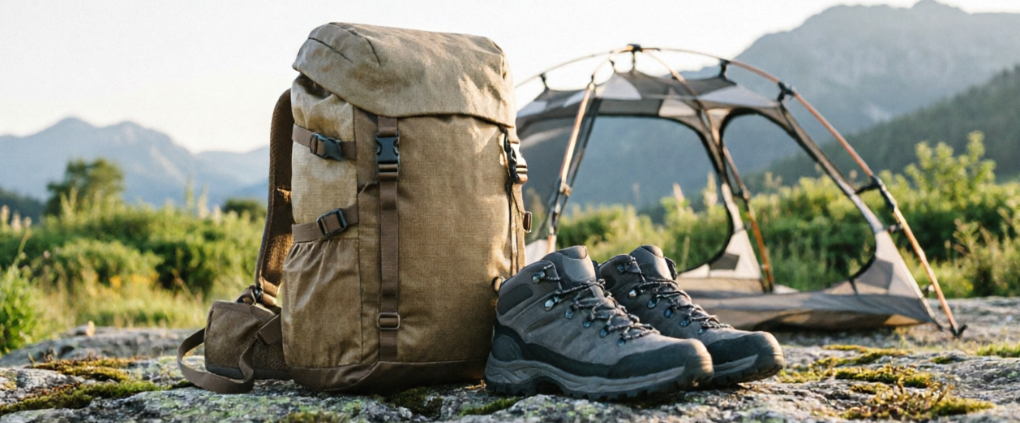
Outdoor gear is designed to help people explore and enjoy nature.
Because of this close connection to the environment, many outdoor brands are now paying more attention to sustainability and responsible product development.
One of the biggest changes in the outdoor apparel industry is the growing use of recycled materials.
Today, recycled fabrics are no longer limited to niche eco-friendly products.
They are becoming part of mainstream outdoor clothing, travel apparel, and functional outerwear.
But why do recycled materials matter in outdoor gear?
In this guide, we’ll explore how recycled materials support sustainability while still delivering the performance and durability outdoor users expect.
What Are Recycled Materials in Clothing?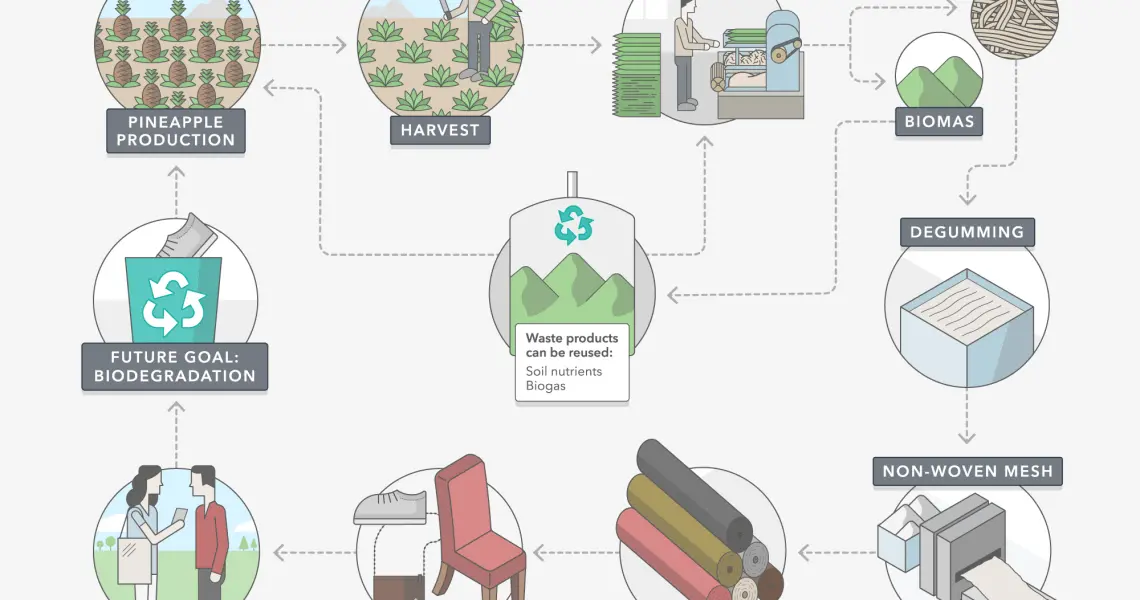
Recycled materials are fabrics or fibers created from previously used products or waste materials.
Common examples include:
- Recycled polyester
- Recycled nylon
- Recycled insulation materials
Some recycled fabrics are made from:
- Plastic bottles
- Industrial textile waste
- Old garments
- Post-consumer recycled materials
These materials are processed and transformed into new performance fabrics for outdoor apparel and gear.
Why Outdoor Brands Are Using Recycled Materials
The outdoor industry depends heavily on synthetic performance fabrics because they provide:
- Durability
- Weather resistance
- Lightweight comfort
- Fast drying performance
However, traditional synthetic materials also require significant resources during production.
Recycled materials help reduce:
- Raw material consumption
- Plastic waste
- Environmental impact
- Excessive landfill waste
As sustainability becomes more important to consumers, recycled fabrics are becoming a practical solution for modern outdoor apparel production.
Recycled Fabrics Can Still Deliver Performance
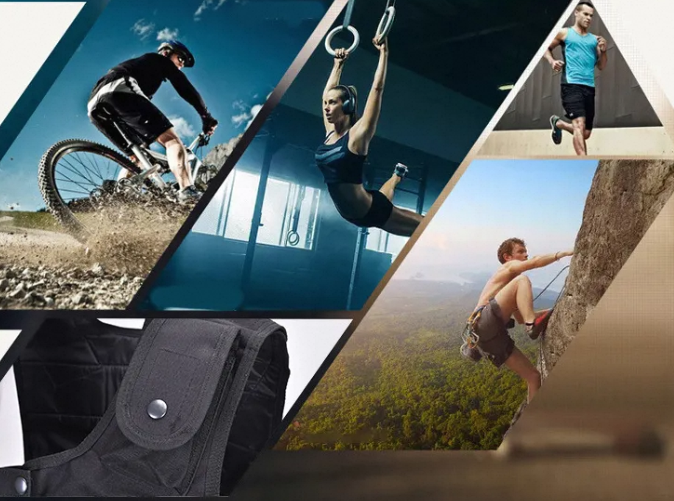
Many people assume recycled fabrics are lower quality.
In reality, modern recycled performance materials can still offer:
- Water resistance
- Breathability
- Durability
- Lightweight comfort
- Stretch performance
This is especially important in outdoor gear, where functionality remains essential.
Today’s recycled outdoor fabrics are increasingly used in:
- Hiking jackets
- Softshell outerwear
- Travel clothing
- Lightweight windbreakers
- Insulated jackets
Performance and sustainability can now work together more effectively than before.
Durable Products Reduce Waste
Sustainability is not only about materials.
Product durability also matters.
A well-made outdoor jacket that lasts for years is often more sustainable than low-quality products that need frequent replacement.
This is why many outdoor brands focus on:
- Strong stitching
- Durable fabric construction
- Functional design
- Long-term usability
High-quality outdoor gear helps reduce unnecessary consumption and product waste.
Lightweight & Versatile Outdoor Apparel
Modern consumers increasingly prefer versatile clothing that works across multiple situations.
Outdoor apparel is now commonly used for:
- Hiking
- Travel
- Urban commuting
- Everyday wear
- Weekend activities
Using one versatile jacket in different environments can help reduce excessive purchasing and overconsumption.
Functional multi-purpose design supports more sustainable lifestyles.
Reducing Waste Through Responsible Manufacturing
Sustainable outdoor production also involves improving manufacturing efficiency.
Responsible production practices may include:
- Reducing material waste
- Improving cutting efficiency
- Using long-lasting trims and accessories
- Improving quality control
- Optimizing production processes
Factories and suppliers play an important role in supporting sustainable product development.
Consumers Are Becoming More Environmentally Aware
Today’s customers pay closer attention to:
- Product materials
- Manufacturing transparency
- Brand values
- Product lifespan
Consumers increasingly prefer brands that balance:
- Performance
- Quality
- Functionality
- Environmental responsibility
This shift is influencing how outdoor brands design and market their products.
Sustainability Is About Long-Term Thinking
Sustainability is not achieved through one single feature or marketing claim.
It involves continuous improvement across:
- Materials
- Product durability
- Manufacturing processes
- Packaging
- Product design
Using recycled materials is one important step toward reducing environmental impact in the outdoor apparel industry.
Performance Meets Responsibility
Recycled materials matter because they help support a more responsible approach to outdoor apparel production.
Modern outdoor consumers increasingly want products that are:
- Functional
- Durable
- Lightweight
- Versatile
- Environmentally conscious
As technology and material innovation continue improving, recycled outdoor fabrics are becoming an important part of the future of outdoor gear.
Sustainability and performance no longer need to be separate goals.
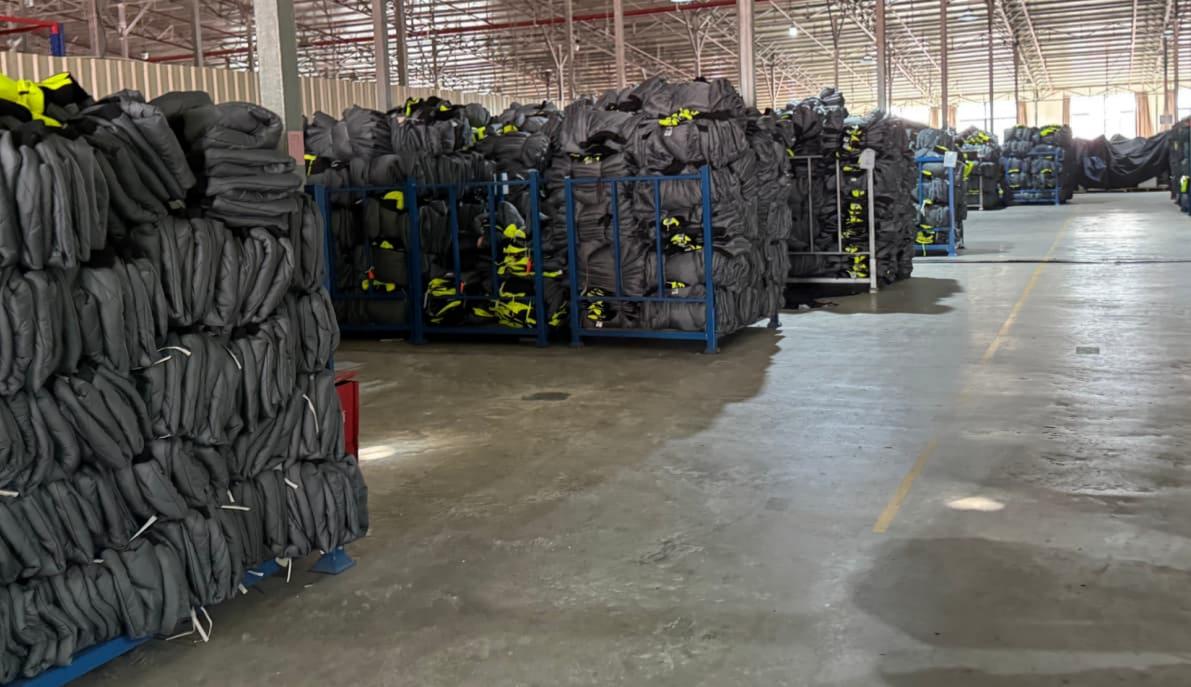
Looking for Sustainable Outdoor Apparel Solutions?
We develop lightweight outdoor jackets and functional apparel designed with:
- Durable performance
- Versatile everyday use
- Modern outdoor functionality
- Responsible manufacturing concepts
Our OEM & ODM services support brands looking to create outdoor products with long-term value and practical sustainability in mind.
Feel free to contact us to learn more about our outdoor apparel collections and manufacturing capabilities.