
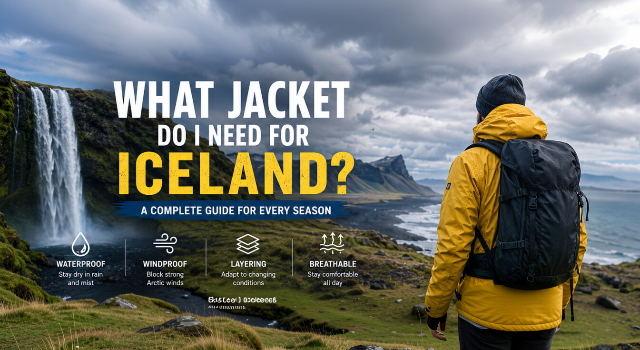
What Jacket Do I Need for Iceland? A Complete Guide for Every Season
Jun 04, 2026
If you're planning a trip to Iceland, one of the most common questions is: What jacket do I need for Iceland?
The answer depends on the season, your activities, and your tolerance for cold weather. However, one thing remains consistent throughout the year: Iceland's weather can change quickly.
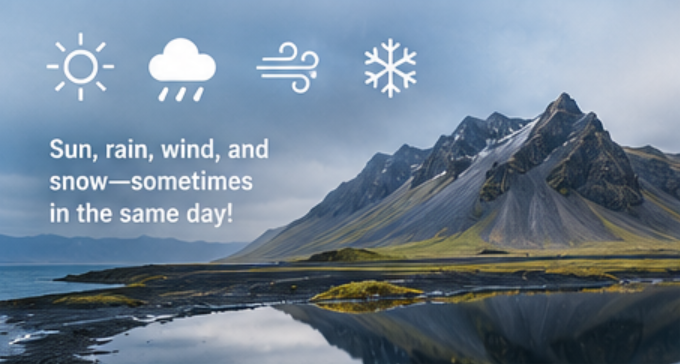
You may experience sunshine, wind, rain, and even snow within a single day. That's why choosing the right jacket—and understanding layering—is critical.
Understanding Iceland's Weather
Iceland's climate is generally cool, windy, and unpredictable.
Typical conditions include:
- Frequent rain showers
- Strong winds
- Sudden weather changes
- Cool summer temperatures
- Snow and ice during winter
Unlike many destinations, wind and moisture often feel colder than the actual temperature.
The Most Important Feature: Waterproof Protection
When visiting Iceland, waterproof protection is more important than extreme insulation.
Look for jackets with:
- Waterproof membranes
- Fully taped seams
- Adjustable storm hood
- Windproof construction
- Water-resistant zippers
Waterfalls, coastal areas, glaciers, and unexpected rain make waterproof outerwear essential.
Recommended Choice:
Waterproof Hardshell Jacket

Why Windproof Jackets Matter in Iceland
Strong winds are common throughout the country.
A jacket that blocks wind helps:
- Maintain body warmth
- Improve comfort during sightseeing
- Reduce heat loss
- Enhance layering effectiveness
Even during summer, wind protection can significantly improve comfort.
Layering Is More Important Than Heavy Jackets
Many travelers assume they need an extremely thick winter coat.
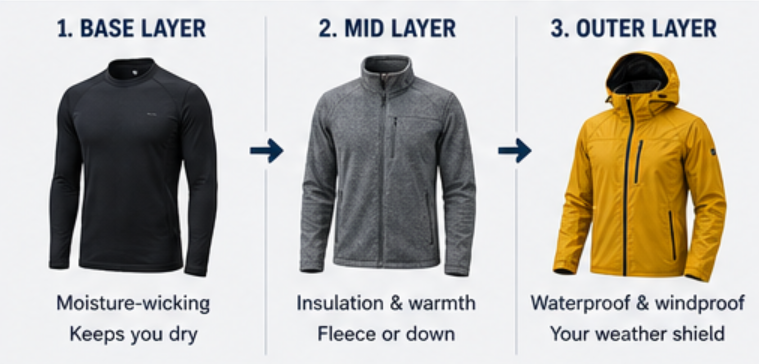
In reality, Iceland is best approached with a layering system.
Base Layer
Purpose:
- Moisture management
- Temperature regulation
Recommended materials:
- Merino wool
- Technical synthetic fabrics
Mid Layer
Purpose:
- Insulation
Popular options:
- Fleece jackets
- Lightweight insulated jackets
- Synthetic puffers
Outer Layer
Purpose:
- Weather protection
Recommended:
- Waterproof hardshell jacket
This three-layer system offers flexibility for changing weather conditions.
Best Jacket for Iceland in Summer
Summer temperatures typically range from:
- 8°C to 15°C (46°F–59°F)
Recommended setup:
- Lightweight waterproof shell
- Lightweight fleece
- Breathable base layer
Even in July, wind and rain are common.
Best Option:
Lightweight Waterproof Hiking Jacket
Best Jacket for Iceland in Spring and Autumn
Spring and autumn often bring:
- Strong winds
- Frequent rain
- Cooler temperatures
Recommended setup:
- Waterproof shell
- Fleece mid-layer
- Thermal base layer
Best Option:
Waterproof Hardshell + Fleece Combination
Best Jacket for Iceland in Winter
Winter temperatures can drop below freezing, especially in northern regions.
Recommended setup:
- Insulated mid-layer
- Waterproof hardshell
- Thermal base layer
Key features:
- Adjustable hood
- Windproof protection
- Waterproof construction
Best Option:
Insulated Layer + Waterproof Hardshell
What About Softshell Jackets?
Softshell jackets are comfortable and breathable but are generally not sufficient as your primary jacket in Iceland.
Softshells work well:
- Under a waterproof shell
- During dry weather
- For active hiking
However, they should not replace a waterproof outer layer.
Features to Look For
When selecting a jacket for Iceland, prioritize:
Waterproof Rating
Protection from rain and waterfall spray.
Windproof Construction
Essential for comfort in exposed areas.
Adjustable Hood
Important during sudden weather changes.
Breathability
Prevents overheating while hiking.
Layering Compatibility
Allows flexible temperature control.
Common Mistakes Travelers Make
Bringing Only a Softshell
Weather can change too quickly.
Choosing Fashion Over Function
Protection should come first.
Ignoring Wind Resistance
Wind chill often makes temperatures feel much colder.
Wearing Heavy Cotton Layers
Cotton retains moisture and reduces comfort.
The Best Jacket Strategy for Iceland
Rather than relying on a single heavy jacket, the best approach is combining:
- Technical base layer
- Insulating mid-layer
- Waterproof hardshell jacket
This system adapts easily to Iceland's ever-changing conditions and provides comfort throughout the year.
Ready for Iceland's Unpredictable Weather?
The best jacket for Iceland isn't necessarily the warmest—it's the one that keeps you dry, blocks the wind, and works effectively within a layering system.
With the right waterproof outer layer and smart layering strategy, you'll be ready to explore waterfalls, glaciers, black-sand beaches, and mountain trails in comfort, regardless of the season.