
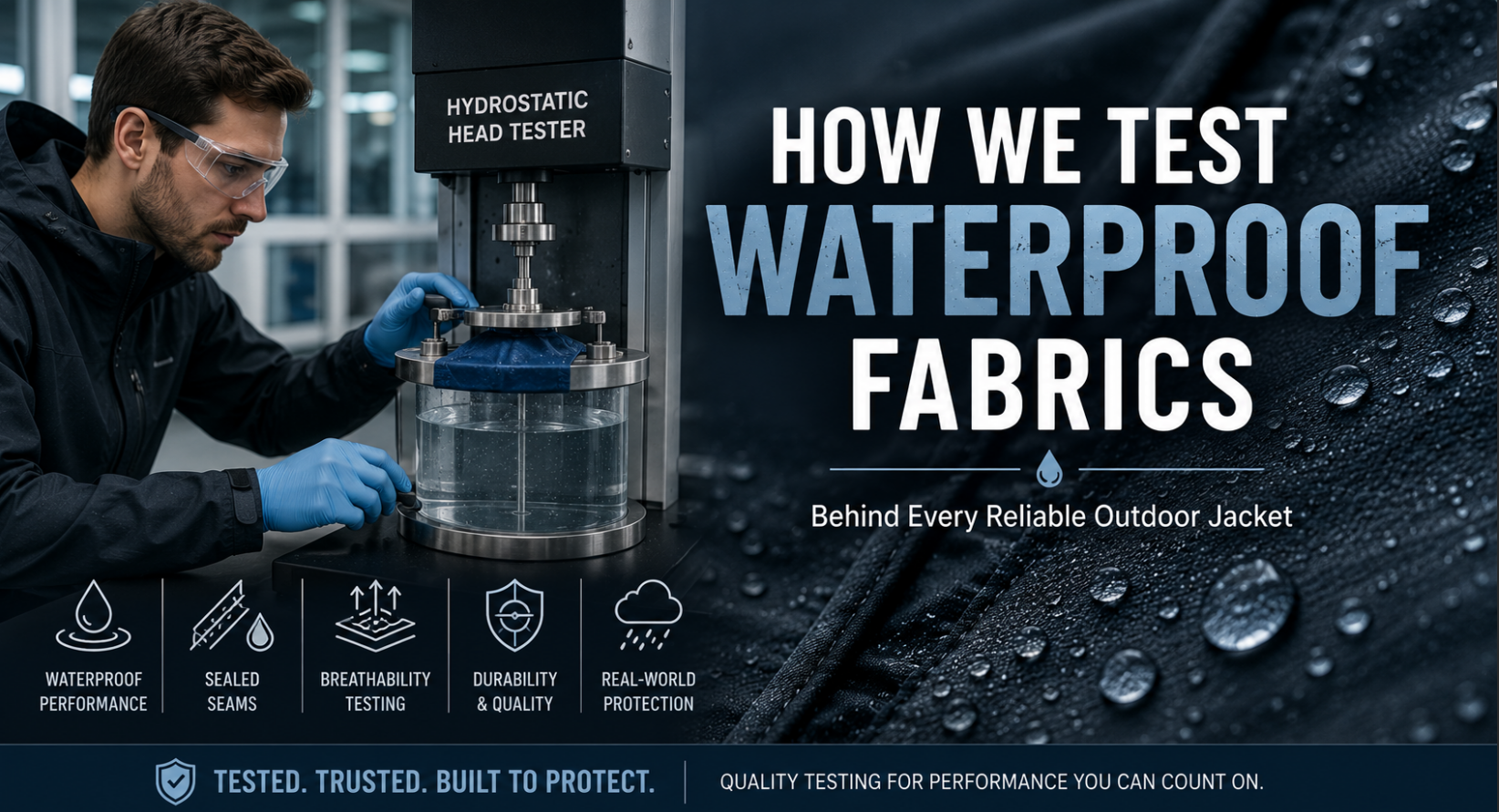
How We Test Waterproof Fabrics: Ensuring Reliable Protection in Every Outdoor Jacket
Jun 12, 2026
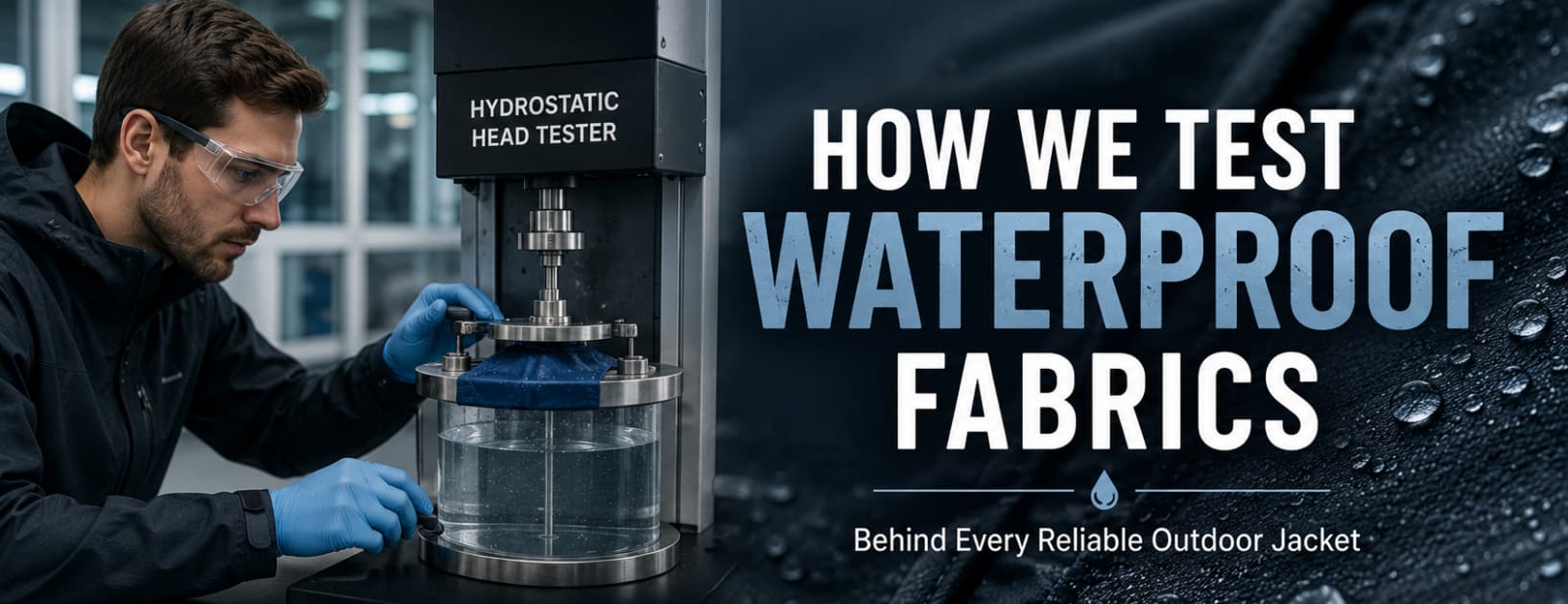 When consumers purchase a waterproof jacket, they expect it to keep them dry in unpredictable weather. Behind every high-performance outdoor garment is a rigorous testing process designed to verify waterproof protection, durability, and long-term performance.
At our manufacturing facility, waterproof fabrics undergo multiple quality control procedures before being approved for production. These tests help ensure that every jacket delivers reliable protection in real-world outdoor environments.
Why Waterproof Fabric Testing Matters
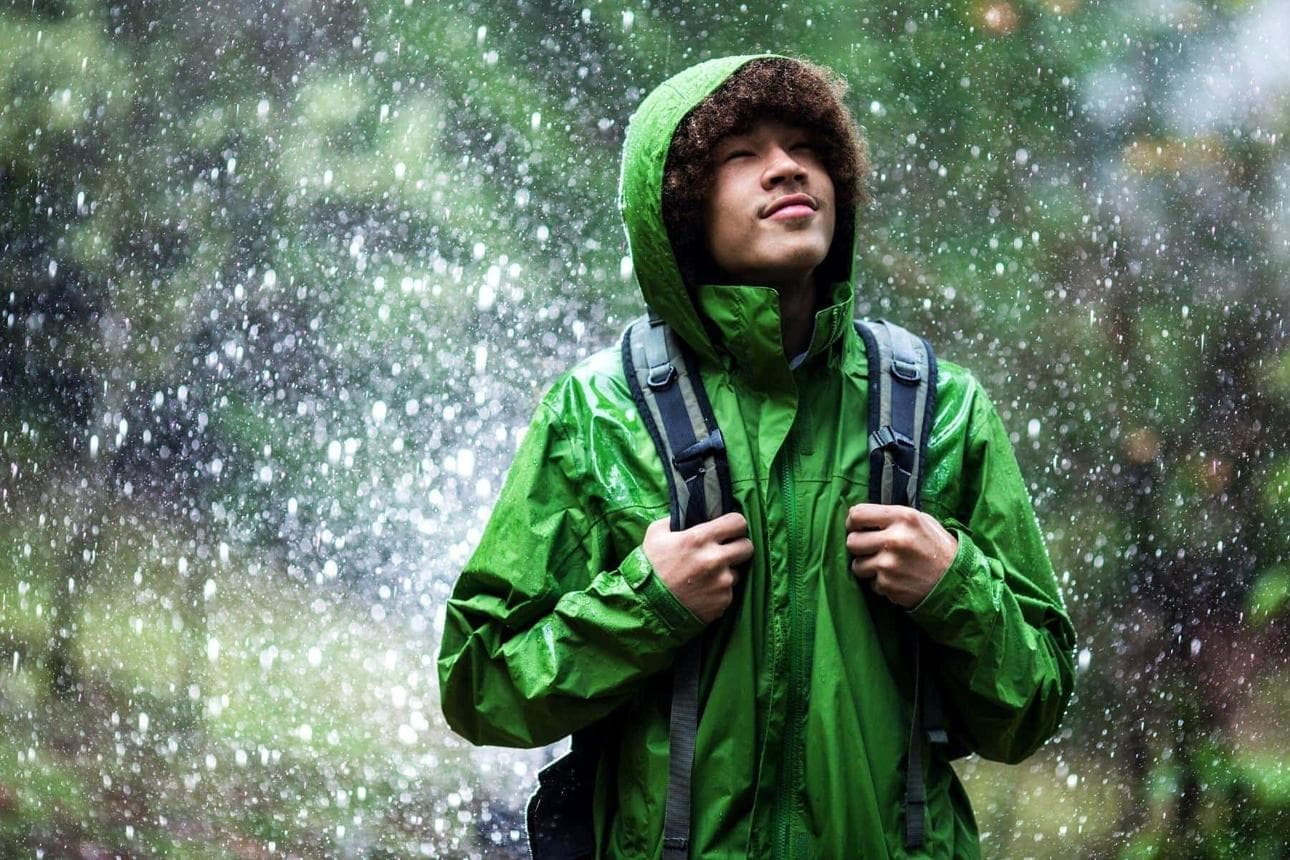
Outdoor jackets are exposed to:
- Heavy rain
- Wind-driven moisture
- Abrasion
- Repeated washing
- Temperature fluctuations
Without proper testing, waterproof performance may deteriorate over time, leading to customer dissatisfaction and product failure.
Testing allows manufacturers to verify that fabrics meet performance standards before they reach the market.
Hydrostatic Head Testing
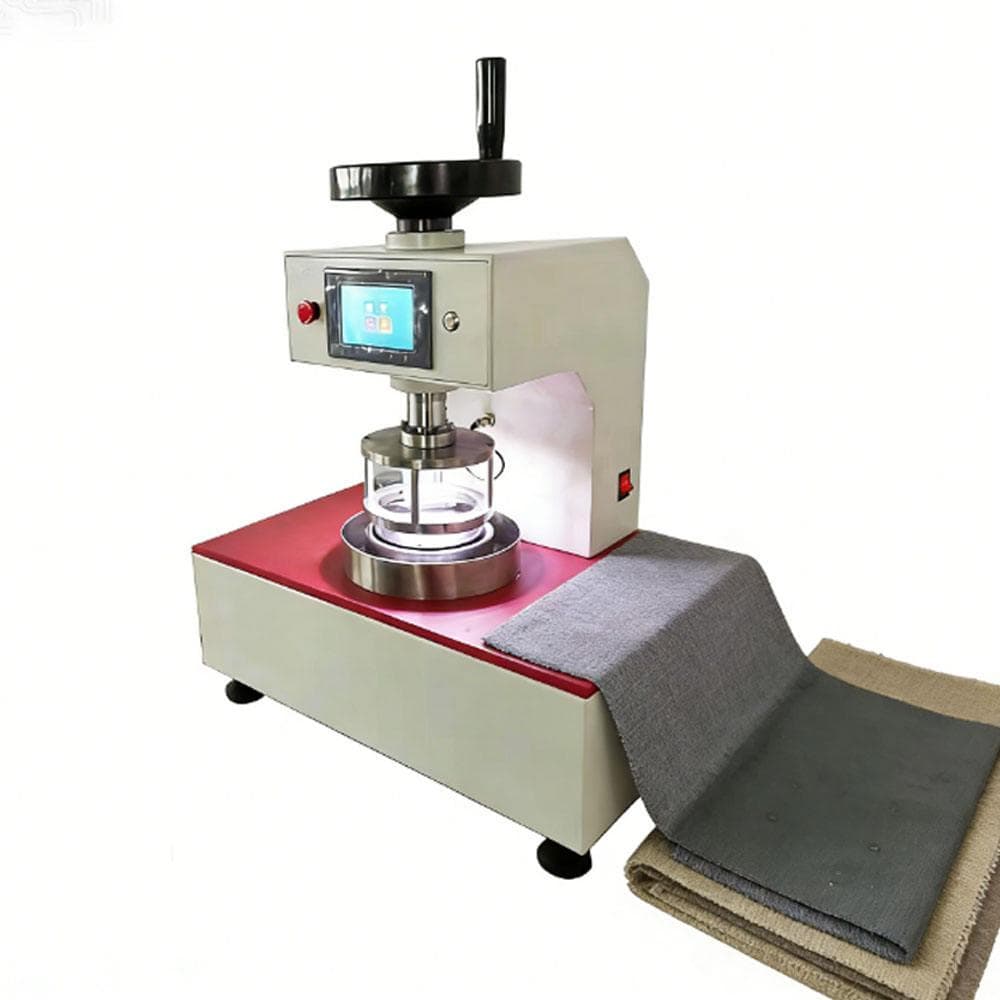
One of the most common waterproof tests is the Hydrostatic Head Test.
This test measures how much water pressure a fabric can withstand before water penetrates the material.
Typical waterproof ratings include:
| Waterproof Rating | Performance Level |
|---|---|
| 3,000 mm | Light rain protection |
| 5,000 mm | Moderate rain protection |
| 10,000 mm | Outdoor and hiking use |
| 20,000 mm+ | Severe weather protection |
Higher ratings indicate greater resistance to water penetration.
Seam Waterproof Testing
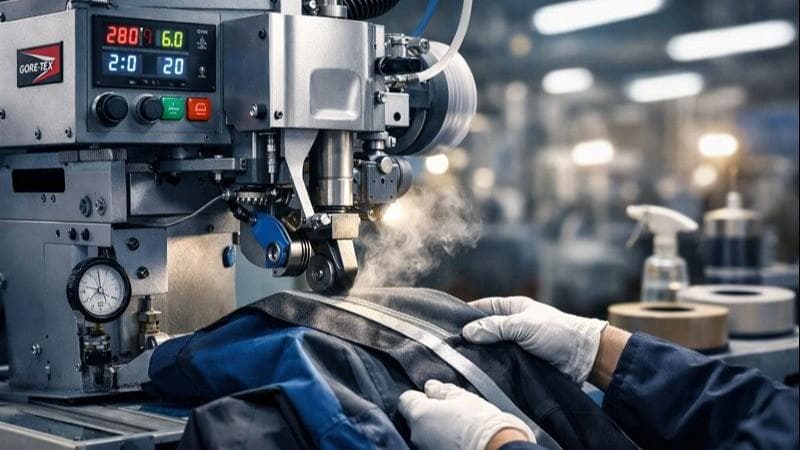
Even the best waterproof fabric can fail if the seams are not properly sealed.
To prevent leakage, outdoor jackets often use:
- Seam sealing tape
- Heat-applied seam technology
- Waterproof seam construction
During testing, seams are carefully inspected to ensure water cannot enter through stitch holes.
Spray Testing
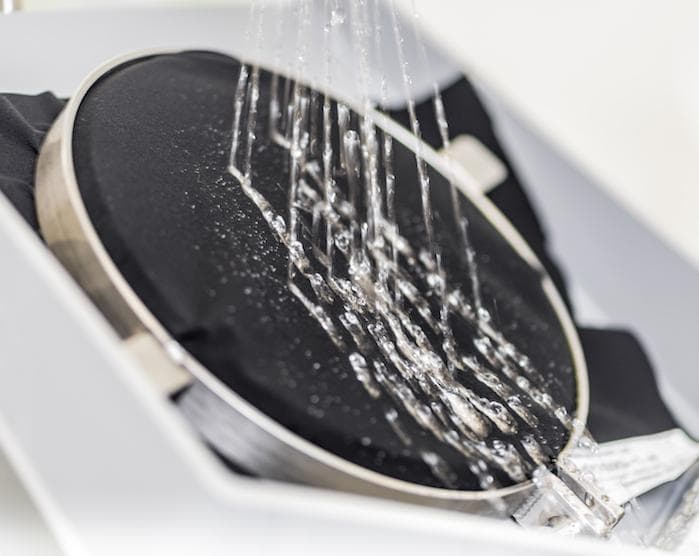
Spray testing evaluates how effectively a fabric repels water on its surface.
During this process:
- Water is sprayed onto the fabric.
- Surface wetting is observed.
- Water beading performance is recorded.
A high-quality Durable Water Repellent (DWR) finish helps water bead up and roll off the fabric surface.
Breathability Testing
Waterproof performance should not come at the expense of comfort.
Breathability tests measure how efficiently moisture vapor can escape through the fabric.
Benefits of breathable waterproof fabrics include:
- Reduced sweat buildup
- Improved comfort
- Better temperature regulation
- Enhanced outdoor performance
Modern outdoor consumers expect both waterproof protection and breathability.
Fabric Durability Testing
Outdoor apparel must perform after repeated use.
Durability evaluations may include:
Abrasion Resistance Testing
Measures fabric resistance to rubbing and wear.
Tear Strength Testing
Evaluates resistance to tearing under stress.
Wash Performance Testing
Assesses waterproof performance after multiple wash cycles.
These tests help verify long-term product reliability.
Real-World Rain Simulation
Laboratory testing provides valuable data, but real-world testing remains essential.
Sample garments are exposed to:
- Continuous rainfall
- Wind-driven rain
- Outdoor field conditions
- Extended wear situations
This helps confirm laboratory results under practical outdoor environments.
Quality Control During Production
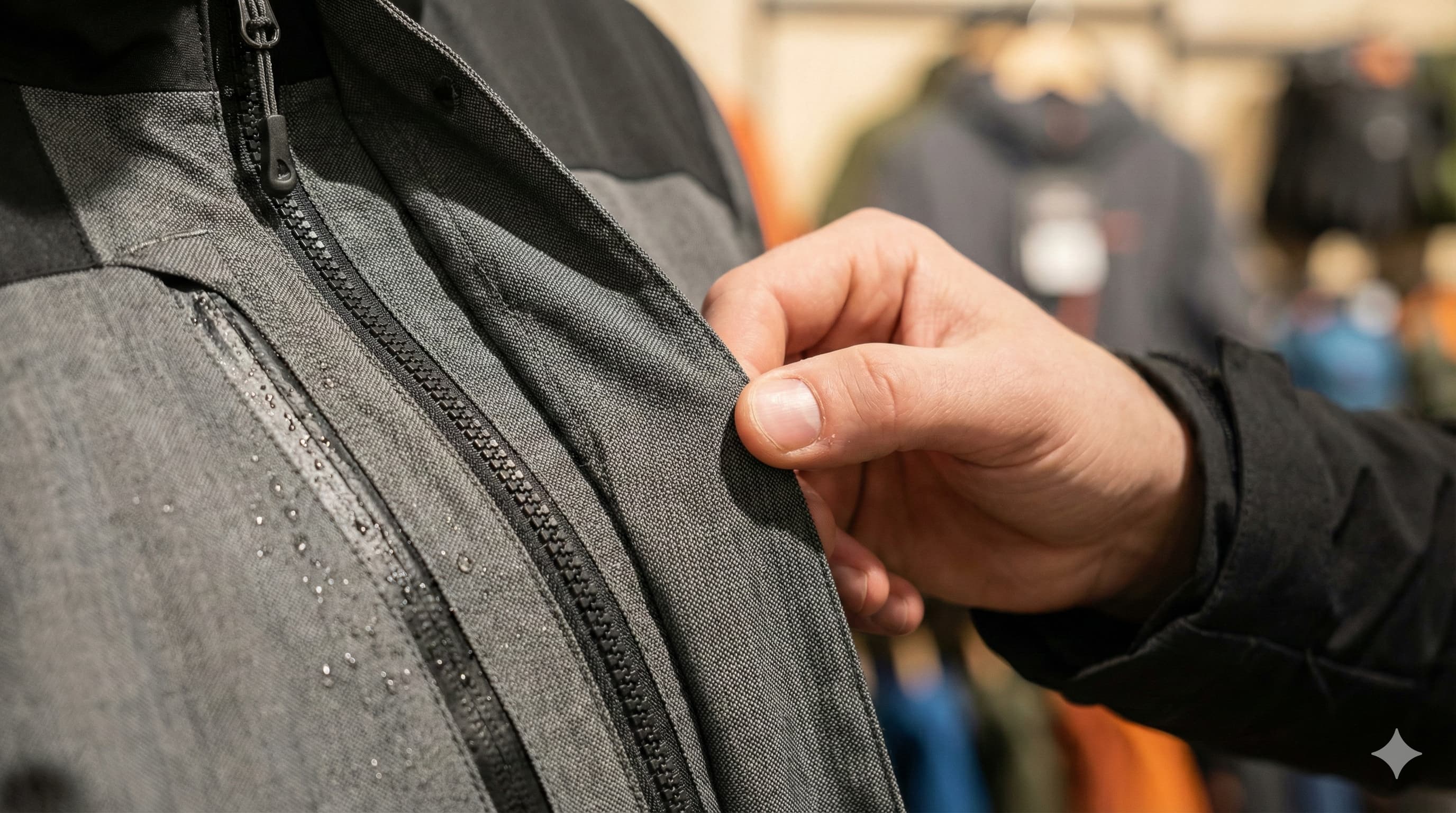
Testing does not stop after fabric approval.
Throughout production, quality control teams monitor:
- Fabric consistency
- Seam sealing quality
- Waterproof zipper performance
- Finished garment inspection
Every stage contributes to overall product reliability.
What Brands Should Look For
When sourcing waterproof outdoor apparel, brands should ask suppliers about:
- Waterproof ratings
- Testing standards
- Seam sealing processes
- Breathability performance
- Quality control procedures
Reliable testing helps ensure products meet customer expectations and reduce warranty claims.
Building Trust Through Performance
Waterproof fabric testing is more than a technical process—it is a commitment to quality.
By combining laboratory testing, real-world evaluations, and strict production controls, manufacturers can deliver outdoor apparel that performs when it matters most.
Whether facing mountain storms, city commutes, or everyday adventures, well-tested waterproof fabrics provide the confidence and protection that outdoor enthusiasts expect.