
Ripstop Fabric Explained: What It Is and Why Outdoor Apparel Uses It
Jun 22, 2026
 If you've ever looked closely at a hiking jacket, windbreaker, backpack, or tent, you may have noticed a subtle grid pattern woven into the fabric.
This distinctive pattern is a hallmark of ripstop fabric—one of the most important textile innovations in modern outdoor gear.
Ripstop fabrics are designed to improve durability, resist tearing, and maintain lightweight performance, making them a popular choice for outdoor apparel and equipment.
In this guide, we'll explain what ripstop fabric is, how it works, and why it has become a staple material in the outdoor industry.
What Is Ripstop Fabric?
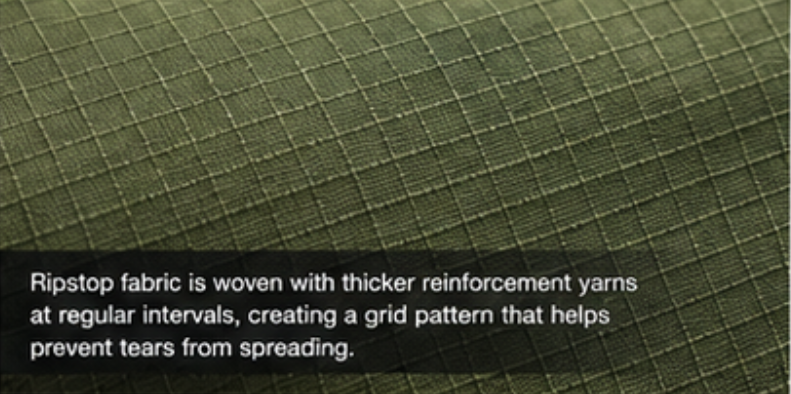
Ripstop fabric is a woven textile that incorporates stronger reinforcement yarns at regular intervals throughout the fabric.
These reinforcement yarns create a visible grid pattern.
The purpose of this structure is simple:
If the fabric is punctured or damaged, the reinforced grid helps prevent the tear from spreading.
This significantly improves durability while keeping the fabric lightweight.
Ripstop construction can be applied to various materials, including:
- Nylon
- Polyester
- Cotton blends
- Technical synthetic fabrics
Why Is It Called Ripstop?
The name comes directly from its function.
"Rip" refers to a tear in the fabric.
"Stop" refers to the fabric's ability to limit tear expansion.
While ripstop fabrics are not completely tear-proof, they are much more resistant to damage than conventional woven fabrics of similar weight.
This makes them particularly useful in demanding outdoor environments.
How Ripstop Fabric Works
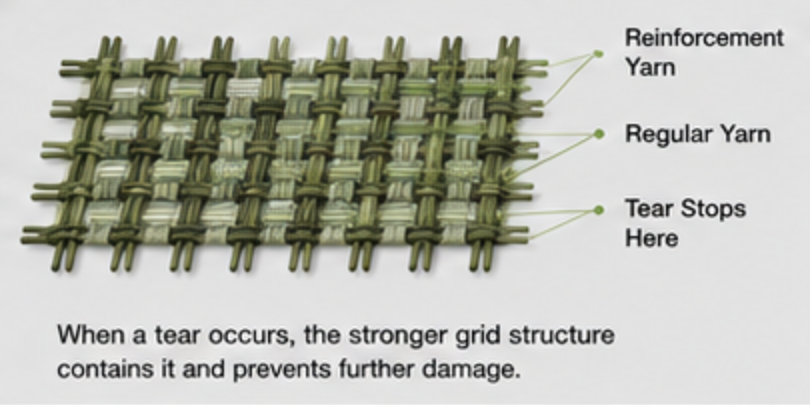
The key feature of ripstop fabric is its reinforced grid.
During weaving, stronger yarns are inserted at regular intervals, creating a network of reinforcement points.
If a small tear develops, the stronger yarns help contain the damage before it spreads further.
Think of it as a built-in safety net within the fabric structure.
This design allows manufacturers to use lighter fabrics without sacrificing durability.
Common Types of Ripstop Fabric
Ripstop Nylon
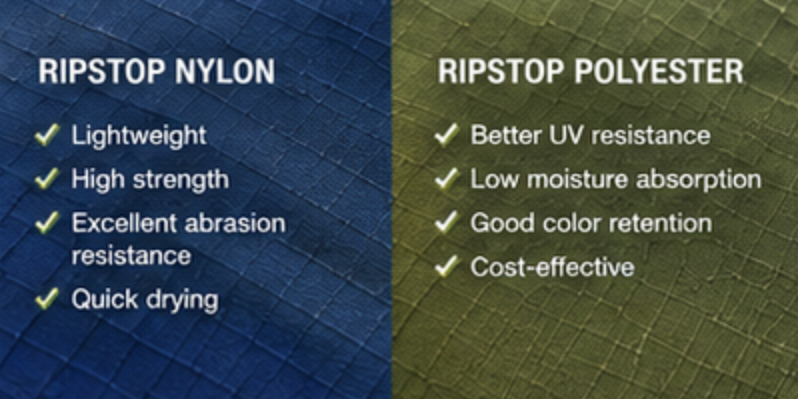
Ripstop nylon is one of the most popular options in outdoor apparel.
Advantages:
✔ Lightweight
✔ Strong tensile strength
✔ Excellent abrasion resistance
✔ Quick drying
Common Uses:
- Windbreakers
- Hiking jackets
- Tents
- Backpacks
Ripstop Polyester
Ripstop polyester offers many similar benefits.
Advantages:
✔ Better UV resistance
✔ Lower moisture absorption
✔ Good color retention
✔ Cost-effective
Common Uses:
- Outdoor apparel
- Workwear
- Rain jackets
- Travel clothing
Stretch Ripstop Fabrics
Modern outdoor apparel often combines ripstop construction with stretch technology.
Advantages:
✔ Improved mobility
✔ Better comfort
✔ Enhanced durability
Common Uses:
- Hiking pants
- Softshell garments
- Climbing apparel
Benefits of Ripstop Fabric
1. Improved Tear Resistance
The biggest advantage is tear control.
Small punctures are less likely to become large fabric failures.
This extends garment life and improves reliability.
2. Lightweight Performance
Ripstop fabrics provide excellent durability without requiring heavier materials.
This is particularly important for:
- Hiking
- Backpacking
- Travel
- Mountaineering
Every gram matters in outdoor equipment.
3. Better Durability
The reinforced structure improves resistance to everyday wear and tear.
This is valuable in environments involving:
- Rocks
- Branches
- Equipment friction
- Repeated use
4. Versatility
Ripstop fabrics can be used in:
- Jackets
- Pants
- Backpacks
- Sleeping bags
- Tents
- Workwear
Few fabric constructions offer such broad applications.
Ripstop Fabric in Outdoor Jackets
Many lightweight outdoor jackets use ripstop fabrics because they provide an ideal balance of:
- Strength
- Weight reduction
- Packability
This makes ripstop particularly common in:
- Windbreakers
- Hiking shells
- Travel jackets
- Lightweight insulated jackets
The grid pattern often becomes a visual indicator of technical performance.
Ripstop Fabric in Hiking Pants
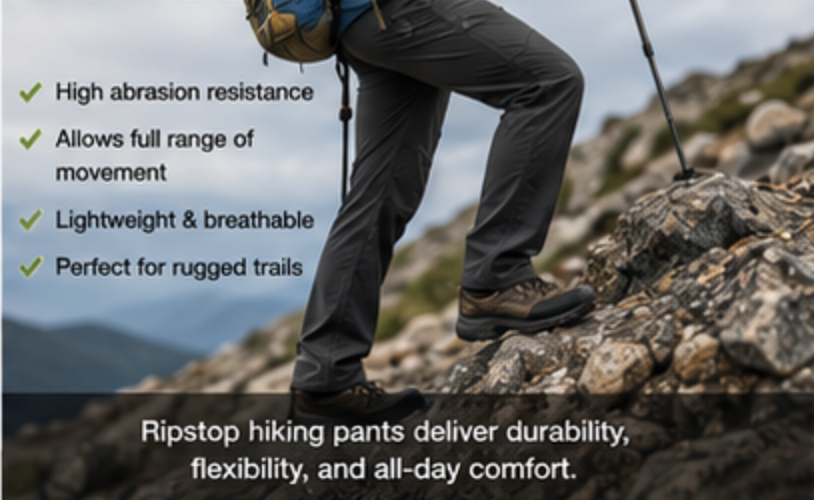
Outdoor pants face constant stress from:
- Walking
- Climbing
- Kneeling
- Abrasion
Ripstop fabrics help increase durability without sacrificing comfort.
When combined with stretch technology, they provide excellent mobility and long-term performance.
Ripstop Fabric in Workwear
Ripstop construction is increasingly used in modern workwear.
Workers often encounter:
- Abrasive surfaces
- Sharp edges
- Frequent movement
Ripstop fabrics improve garment longevity and reduce maintenance costs.
This makes them popular in:
- Construction
- Utilities
- Logistics
- Industrial workwear
Ripstop vs Regular Fabric
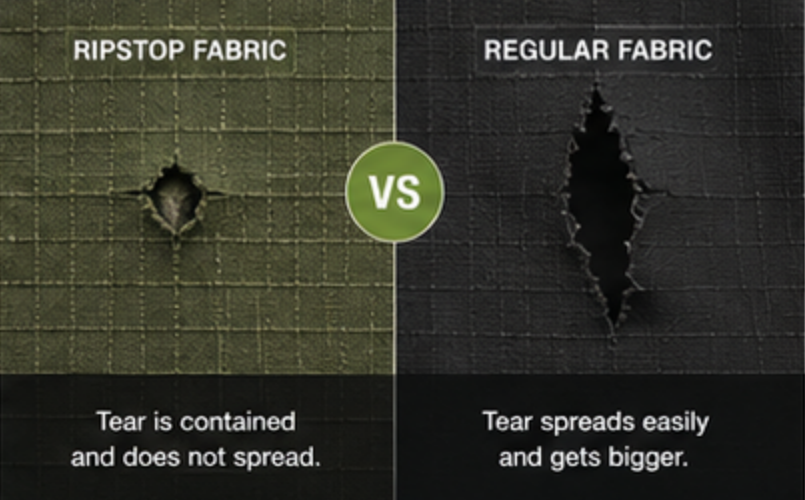
Ripstop Fabric
Advantages:
✔ Higher tear resistance
✔ Better durability
✔ Lightweight performance
✔ Longer lifespan
Regular Woven Fabric
Advantages:
✔ Simpler construction
✔ Lower cost
✔ Softer appearance
For demanding outdoor applications, ripstop fabrics generally offer a better balance of strength and weight.
Common Myths About Ripstop Fabric
Myth 1: Ripstop Fabric Is Tear-Proof
False.
Ripstop fabrics can still be damaged.
However, they are much better at preventing small tears from becoming larger problems.
Myth 2: Ripstop Fabric Is Heavy
False.
Many ripstop fabrics are actually lighter than traditional alternatives.
Myth 3: All Ripstop Fabrics Are the Same
False.
Performance varies based on:
- Fiber type
- Yarn size
- Fabric weight
- Coatings and finishes
Myth 4: Ripstop Is Only for Military Gear
False.
Today, ripstop fabrics are widely used in outdoor apparel, travel products, sportswear, and workwear.
Why Outdoor Brands Love Ripstop Fabric
Outdoor brands constantly seek materials that provide:
- Durability
- Lightweight performance
- Comfort
- Reliability
Ripstop construction helps achieve all four.
This is why ripstop fabrics remain a favorite choice for technical apparel and outdoor equipment.
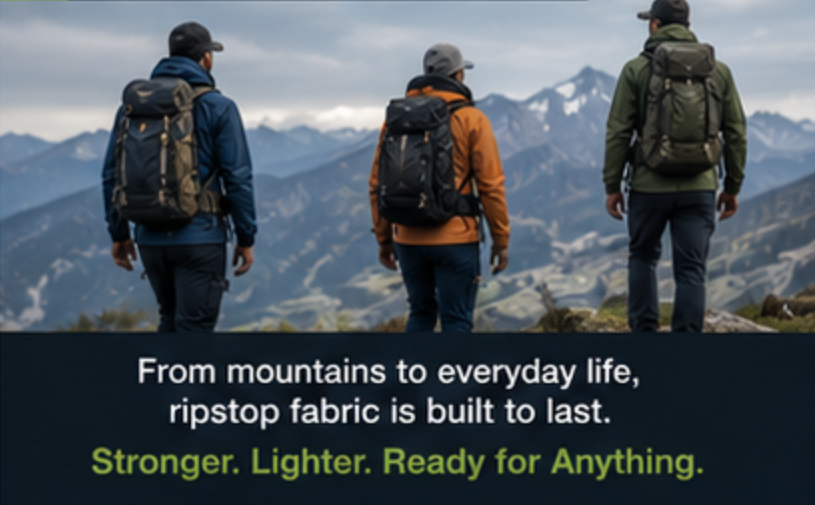
Whether you're hiking in the mountains, traveling internationally, or working outdoors, ripstop fabrics help gear withstand the demands of real-world use.
Ripstop fabric is one of the most practical innovations in outdoor textile technology.
By incorporating reinforced yarns into a lightweight woven structure, ripstop fabrics help prevent tears, improve durability, and extend product life without adding unnecessary weight.
From hiking jackets and trekking pants to backpacks and workwear, ripstop fabrics continue to play a critical role in modern outdoor performance.
The next time you notice that distinctive grid pattern on your gear, you'll know it's more than just a design feature—it's a smart engineering solution built for durability and adventure.