
What to Wear in Iceland in Winter: Ultimate Cold-Weather Layering Guide for 2026
Jun 29, 2026
 Winter in Iceland (November to March) is one of the most extreme yet beautiful travel experiences in the world. You will encounter snowstorms, icy winds, freezing temperatures, and rapidly changing weather conditions.
Average temperatures range from -5°C to 4°C (23°F to 39°F), but wind chill can make it feel much colder.
The key to surviving and enjoying Iceland in winter is not heavy clothing—it is a smart layering system built for performance.
Understanding Iceland Winter Conditions
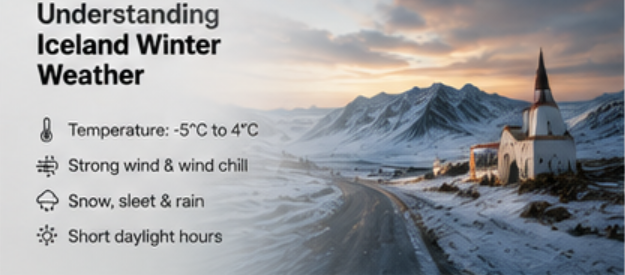
Before choosing your outfit, understand the environment:
- Strong Arctic winds
- Snow, rain, and sleet mix
- Slippery terrain (ice + volcanic rock)
- Short daylight hours (4–6 hours in peak winter)
- Sudden weather changes
Conclusion: You need technical outdoor gear, not fashion clothing.
The Winter Layering System (Critical for Survival Comfort)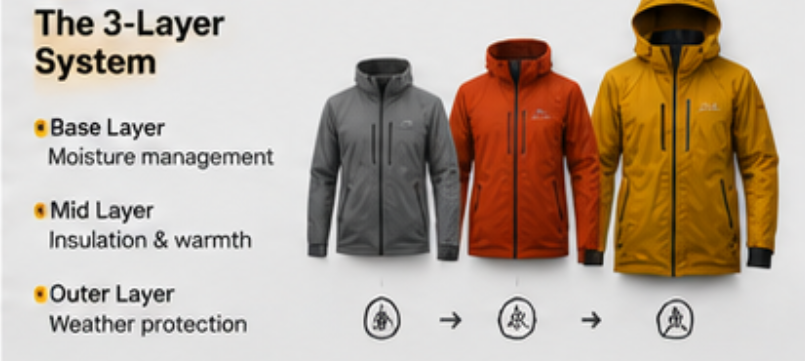
① Base Layer (Thermal Foundation)
Purpose: Keep body heat stable
- Merino wool thermal tops & leggings
- Moisture-wicking synthetic base layers
- Long sleeve thermal shirts
Avoid cotton completely—it absorbs moisture and makes you cold faster.
② Mid Layer (Insulation Layer)
Purpose: Trap heat
- Fleece jacket (high-density recommended)
- Light down jacket or synthetic insulated jacket
- Breathable softshell mid layer
This layer is your “warmth engine” in freezing conditions.
③ Outer Layer (Weather Shield)
Purpose: Block wind, snow, rain
- 3-layer waterproof shell jacket
- Windproof and snow-resistant construction
- Fully seam-sealed design
- Adjustable hood (helmet-compatible preferred)
This is your most important protection layer in Iceland.
Essential Clothing for Iceland Winter Trip
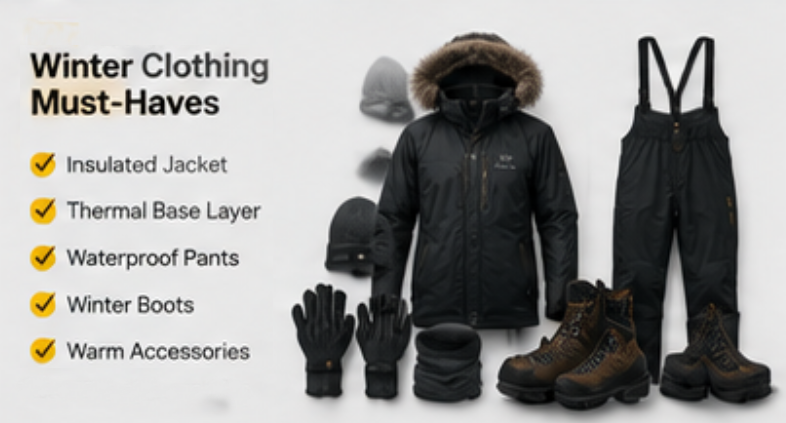
✔ Insulated Waterproof Jacket
- 3-layer hardshell recommended
- High waterproof rating (15,000mm+)
- Windproof membrane essential
✔ Thermal Pants or Waterproof Shell Pants
- Insulated or fleece-lined hiking pants
- Waterproof overpants for snow conditions
- Stretch for movement in hiking areas
✔ Winter Boots (Non-Negotiable)
- Insulated + waterproof
- Anti-slip (ice grip outsole recommended)
- High ankle support
✔ Cold Weather Accessories
You must bring:
- Thick gloves (waterproof preferred)
- Wool beanie / thermal hat
- Neck gaiter / balaclava
- Thermal socks (multiple pairs)
Outfit Planning by Activity
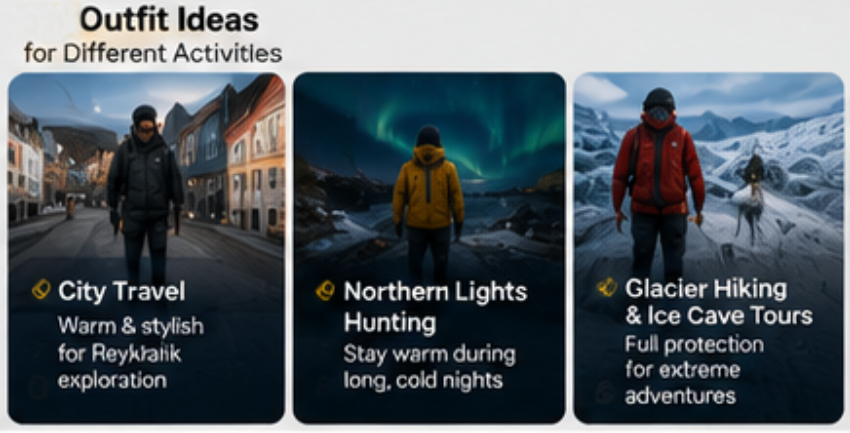
Reykjavik City Winter Outfit
- Warm insulated jacket
- Casual thermal pants
- Waterproof boots
- Light fleece layer
Northern Lights Hunting Outfit
- Heavy insulated jacket
- Full thermal base + mid layers
- Extra gloves & hat
- Windproof outer shell
You may stand outside for hours—warmth retention is critical.
Glacier Hiking / Ice Cave Tour
- Full 3-layer system
- High-performance waterproof shell
- Insulated mid-layer
- Professional hiking boots with crampons compatibility
Common Mistakes Travelers Make
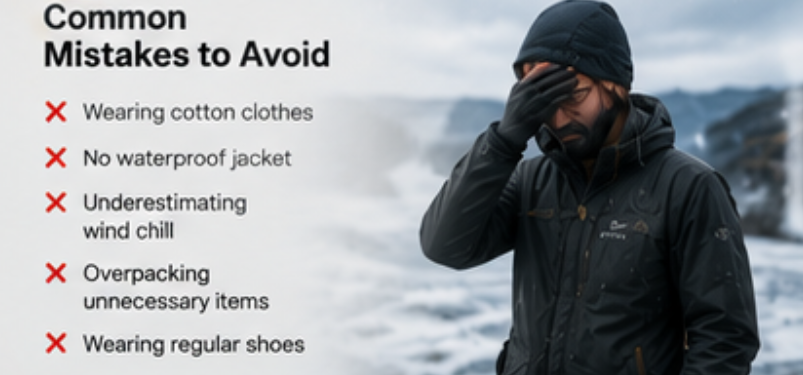
× Wearing fashion coats instead of technical jackets
× No waterproof outer layer
× Cotton jeans (become frozen and stiff)
× Underestimating wind chill
× Not layering properly (only one thick jacket)
Smart Packing Strategy for Iceland Winter
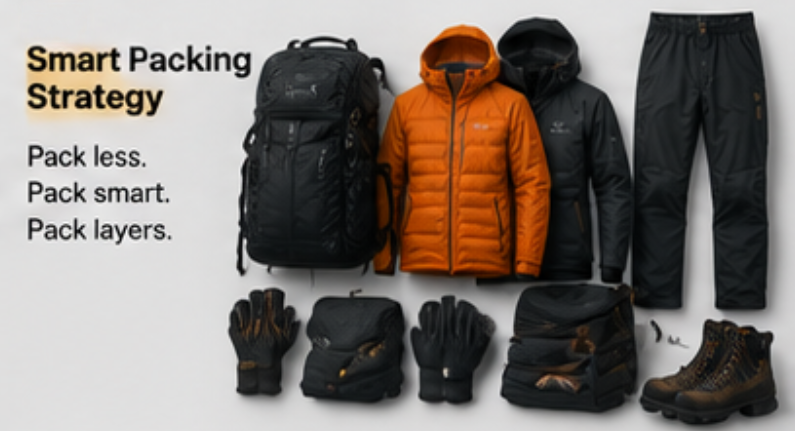
Pack fewer items—but higher performance:
- 2 thermal base sets
- 1–2 insulating mid layers
- 1 high-end waterproof shell jacket
- 1 insulated pants + 1 backup pants
- 1 pair winter boots
- Full accessory kit
Focus on function over volume
Winter in Iceland is not about surviving fashion trends—it is about building a high-performance thermal system that adapts to extreme conditions.
If you are designing or choosing outdoor apparel, prioritize:
thermal efficiency + waterproof protection + wind resistance + layering flexibility
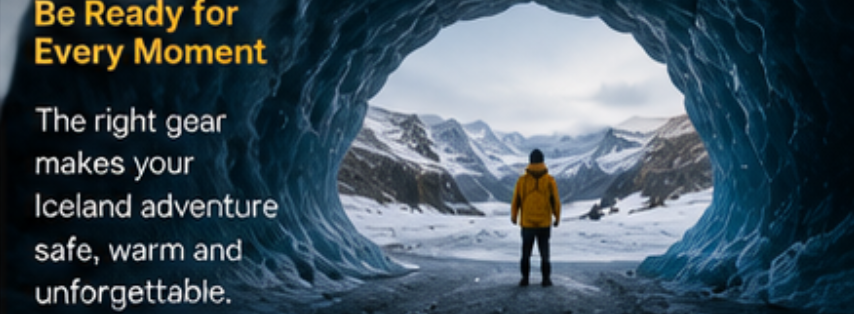
Explore our advanced winter outdoor systems designed for extreme Nordic environments—built for insulation, waterproofing, and all-weather protection.